Berlin Travel Itinerary: Perfect 3-Day Plan for First Visits
This Berlin travel itinerary is designed for first-time visitors who want to explore the city’s landmarks, neighborhoods, and culture over three days. It’s part of my Euro road trip series, where Jacek, Jessica, and I drove 2.5 hours from the coast of Poland to Berlin and spent three days immersed in the city.
Berlin immediately stood out for its diversity and creative energy, giving me strong NYC vibes and a sense of ease that made it easy to imagine living there.
This guide is intentionally paced to help you experience Berlin thoughtfully, balancing history, culture, and local neighborhoods without feeling rushed. Over three realistic days, you’ll cover key highlights while still having time to slow down, observe, and enjoy the city.
All recommendations are based on first-hand experience and include practical tips to help you travel confidently and make the most of your time in Berlin.
This post contains affiliate links, which means I earn a commission (at no extra cost to you) if you purchase from them. Thanks for supporting the free content on this site!
Berlin Travel Itinerary: At a Glance
This Berlin travel itinerary overview gives first-time visitors a quick snapshot of what to expect, including the city’s vibe, average daily budget, language, safety, and essential planning details before diving into the day-by-day itinerary.
Location & Vibe
Berlin is Germany’s capital and cultural heart, known for its layered history, creative energy, and open, lived-in feel. It is a city where old and new coexist comfortably, and where each neighborhood offers a distinct personality.
Average Daily Budget
Berlin is more affordable than many major European capitals. Mid-range travelers can expect to spend approximately $150–$220 per day, covering a well-located hotel or boutique stay, public transportation, meals at casual cafés and sit-down restaurants, and a mix of free and paid attractions. Budget travelers can spend less by using public transit and street food, while travelers seeking more comfort or dining experiences should plan on the higher end of this range.
Currency & Language
Germany uses the Euro. German is the official language, but English is widely spoken, especially in tourist areas and among younger locals.
Safety Overview
Berlin is generally safe and easy to navigate. As with any large city, staying alert in crowded areas and on public transport is advised.
Best Time to Visit Berlin
The best time to visit Berlin for sightseeing is May through September, when the weather is pleasant, and the city feels especially lively.
Spring (April–May) is mild and refreshing, with blooming parks, outdoor markets, and longer days that make exploring on foot enjoyable.
Summer (June–August) is warm, social, and event-filled, featuring open-air concerts, street festivals, and buzzing beer gardens. This is peak season, so expect higher prices and larger crowds.
Early fall (September) brings crisp air and colorful scenery, making it an ideal time to wander neighborhoods, take photos, and enjoy the city with fewer tourists.
Winter (November–February) is colder and quieter, but it has its own charm with festive Christmas markets, cozy cafés, museums, and a slower, more local pace.
Peak vs. Off-Season: Summer is the most energetic but also the busiest and most expensive. Late fall and winter are less crowded and more affordable, especially if you plan to focus on museums and indoor attractions.
Festivals and Events: Notable events include Berlin Culture Night in May, the Carnival of Cultures in June, outdoor music festivals throughout the summer, and Christmas markets from late November through December.
Cheapest Time to Visit: January through March offers the lowest flight and accommodation prices. While the weather is cooler, it’s still a great time to explore Berlin’s history, museums, and cultural scene.
Getting to Berlin
You can reach Berlin easily by plane, train, or bus, depending on your budget and schedule.
- Flying: Land at Berlin Brandenburg Airport (BER), well-connected to Europe and international destinations. From the airport, you can reach the city center in about 30 minutes by regional train (FEX, RE7, RB14), bus, or taxi.
- Train: Arriving by train is a smooth and scenic option from elsewhere in Germany or neighboring countries. Berlin Hauptbahnhof, the central station, offers direct connections to major cities such as Hamburg, Munich, and Prague.
- Bus: Long-distance buses are ideal for budget-conscious travelers, often dropping you near central Berlin stops and providing affordable fares.
Berlin is an easy stop to combine with nearby cities like Prague, especially if you’re planning a Central Europe road trip that also includes Budapest.
Things to Do in Berlin
These experiences are woven into the 3-day Berlin travel itinerary below, helping you understand what to prioritize and where each activity fits best.
One of the most rewarding ways to experience Berlin is by mixing iconic sights with local moments, from historic landmarks and creative neighborhoods to spontaneous experiences that reveal the city’s true character.
Enjoy Live Music by the Oberbaum Bridge
Berlin’s double-decker Oberbaum Bridge runs along the River Spree and connects Friedrichshain to Kreuzberg, former East and West Berlin boroughs. The bridge is always lively and a favorite spot for street musicians.
Visit the East Side Gallery of the Berlin Wall
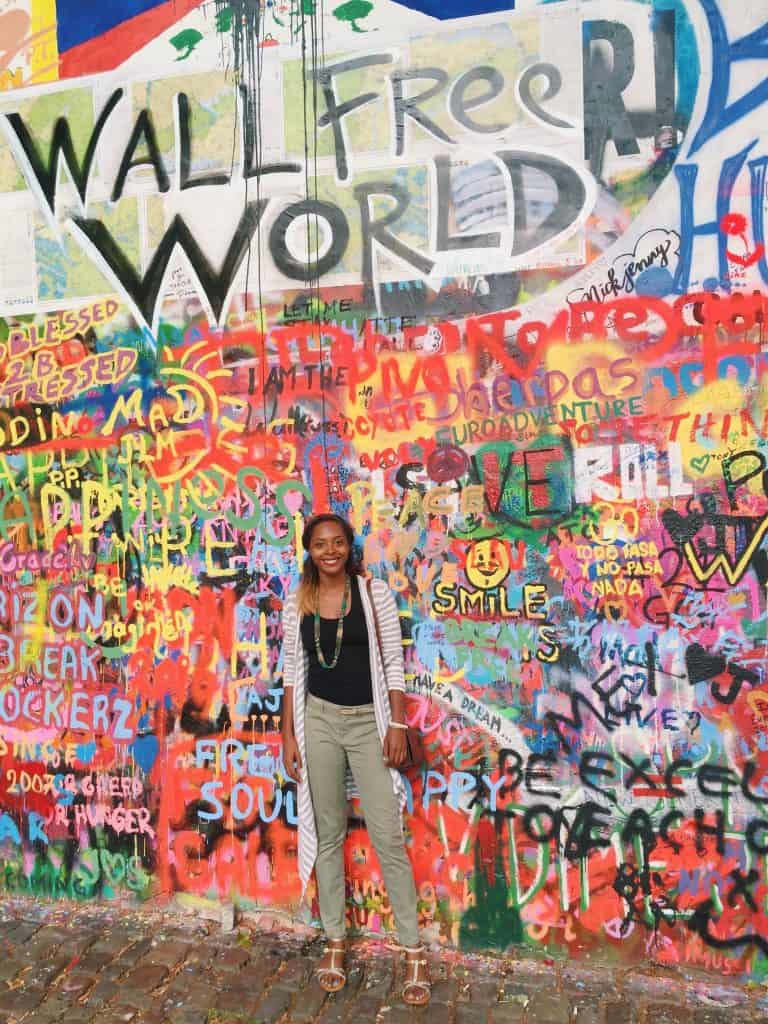
Just a short walk from Oberbaum Bridge is the East Side Gallery, a preserved stretch of the Berlin Wall decorated with murals from over 100 artists worldwide.
Walking along the wall, it was striking to reflect on its history. The fall of the Wall marked a turning point for Berlin and Germany, and this vibrant gallery is a beautiful tribute to that moment.
Check Out Kreuzberg and Enjoy a California Pop
After visiting the East Side Gallery, we wandered into Kreuzberg, a fun, artsy neighborhood that was once hemmed in by the Berlin Wall on three sides.
Here we treated ourselves to delicious ice cream bars from California Pops, a local favorite, and loved the mix of street art, cafés, and neighborhood energy.
Go on a Free Walking Tour
In a perfect world, we would have started our trip with a walking tour to better organize our itinerary. Life happened, though, and who wants to rush on vacation?
We missed the highly recommended Sandemans’ tour by a few minutes, but immediately spotted a Free Walking Tour group at Brandenburg Gate. The two-hour tour was packed with history and gave us context for the landmarks we would see throughout our trip.
Some highlights from the tour included:
- Memorial to the Murdered Jews of Europe: A solemn tribute to Holocaust victims, situated near the Parliament to remind everyone of that dark history.
- Checkpoint Charlie: The famous Cold War border crossing between Mitte and Kreuzberg, where non-German citizens and Allied Forces once crossed.
- Topography of Terror: A free exhibition on the former SS headquarters, which shows the horrors of the Nazi regime. We only spent 45 minutes there because we were hungry. Pro tip: do not go hungry.
- Hitler’s Bunkers: Visiting the underground remains was eerie, tucked discreetly in the middle of an apartment complex.
- Rausch Schokoladenhaus: Chocolate lovers, this is a must. Some of the best chocolate I have ever tasted, with Berlin landmarks crafted from chocolate. We could not resist trying a few treats ourselves.
- Gendarmenmarkt: A beautiful square surrounded by the German and French Cathedrals and Schinkel’s Konzerthaus, where our tour ended.
Visit Mauerpark’s Sunday Flea Market
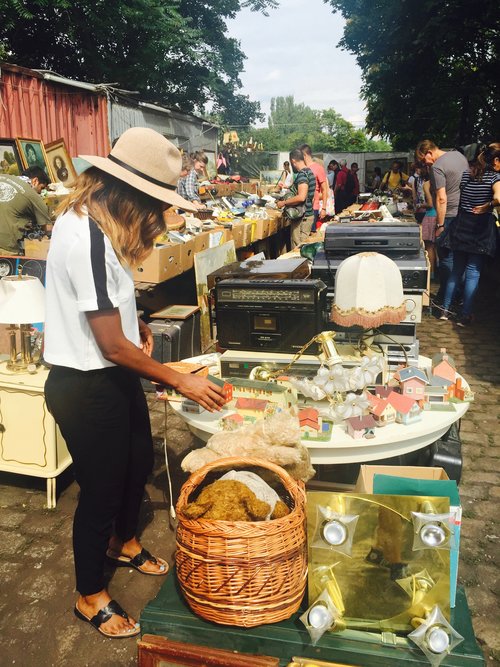
During our last brunch in Berlin, we chatted with a local who insisted we visit Mauerpark on Sunday. The flea market did not disappoint. Open-air karaoke, positive vibes, unique souvenirs, and endless people-watching made it a highlight of the trip.
Berlin 3-Day Itinerary Overview
This 3-day Berlin travel itinerary is designed for first-time visitors who want to see the city’s historic landmarks, museums, and neighborhoods at a realistic, well-paced rhythm without feeling rushed.
- Day 1: Historic Berlin, iconic landmarks, and central neighborhoods
- Day 2: Museums, cultural highlights, and local neighborhoods
- Day 3: Alternative Berlin, hidden gems, and relaxed exploration
Day 1: Historic Berlin & Must-See Landmarks
Morning
Begin your day at the Brandenburg Gate, Berlin’s iconic symbol of history, unity, and resilience. From there, head to the Reichstag Building and, if possible, visit the glass dome for sweeping views across the city.
A short walk away is the Memorial to the Murdered Jews of Europe, a solemn, reflective space. Walking slowly between the concrete slabs encourages quiet reflection and helps you connect with the place’s powerful history.
Many of these landmarks are also covered on Berlin’s popular free walking tours, which we found incredibly helpful for historical context early in the trip.
Afternoon
Continue your day with a walk along Unter den Linden, Berlin’s grand boulevard lined with historic buildings, embassies, and cafés. This stretch is ideal for a slower pace and gives you a sense of Berlin’s imperial past without museum fatigue.
Stop for a relaxed coffee or light lunch along the way, then wander through nearby squares such as Gendarmenmarkt, one of the most beautiful in the city.
Evening
End the day with dinner at Augustiner am Gendarmenmarkt, a classic Bavarian-style restaurant known for its hearty German dishes and relaxed atmosphere. It is a great place to unwind after a full day of sightseeing and enjoy traditional food in a warm, welcoming setting.
After dinner, take an evening walk through Berlin’s softly lit streets or opt for a river cruise on the Spree to see the city from a calm and different perspective, a peaceful way to close out your first day in Berlin.
Jewels’ Tip: Arrive early at major sights to avoid crowds. Wear comfortable shoes; cobblestones are everywhere
Best photo spots:
- Brandenburg Gate from Pariser Platz
- Reichstag Dome interior and panoramic views
- Museum Island from the Lustgarten
Day 2: Museums, Culture & Local Neighborhoods
Morning
Dedicate your morning to Museum Island, the cultural heart of Berlin and a UNESCO World Heritage Site. If you are short on time, choose one museum that aligns with your interests. The Pergamon Museum is ideal for ancient architecture and artifacts, while the Neues Museum is best known for its Egyptian collection and the bust of Nefertiti.
Arriving early helps you enjoy the exhibits before crowds build.
If you prefer something outdoors, the East Side Gallery, a vibrant stretch of the Berlin Wall covered in murals, combines history with street art, making for a memorable morning stroll.
You can join a guided tour to uncover the Wall’s hidden history and hear the stories behind Berlin’s world-famous street art.
Afternoon
Spend the afternoon exploring Berlin’s neighborhoods. Kreuzberg offers a mix of edgy street art, eclectic shops, and multicultural cafés, while Prenzlauer Berg charms with leafy streets, boutique stores, and cozy cafés.
Stop along the way for coffee at Five Elephant, a beloved specialty coffee shop known for its expertly roasted beans and decadent cheesecake. For a quick bite, grab a classic currywurst at Curry 36, a local favorite that’s iconic for Berlin street food. These stops let you taste the city while soaking in its neighborhood energy.
Evening
As evening falls, you can dive into Berlin’s nightlife, from cozy bars to live music venues, or enjoy a relaxed local dinner, savoring seasonal dishes in a neighborhood restaurant.
Pro Tips:
- Optional rainy-day alternative: Spend more time in museums or indoor markets.
- Traveling with kids? Visit Berlin Zoo or a kid-friendly museum.
- Short-on-time option: Focus on one museum and one neighborhood to keep the day relaxed.
Day 3: Alternative Berlin & Hidden Gems
Morning
Start your final day at Tempelhofer Feld, a unique space where a former airport runway has been transformed into a massive park. Walk, bike, or simply soak in the open-air energy as you enjoy a slower start to the day.
Then explore one of Berlin’s local markets or flea markets, where you can hunt for vintage finds, artisanal goods, and tasty street food, a true glimpse into everyday Berlin life.
Afternoon
Spend the afternoon at Charlottenburg Palace to admire baroque architecture and royal gardens, or take a leisurely stroll through the Tiergarten, Berlin’s largest park, perfect for people-watching and unwinding.
Pause at cafés along the way for a coffee or pastry, or explore boutique shops tucked into charming streets nearby.
Evening
End your trip with a farewell dinner at Klunkerkranich, a rooftop bar and restaurant perched above a Neukölln parking garage. Known for its panoramic city views and relaxed atmosphere, it is the perfect spot to reflect on your time in Berlin as the sun sets over the skyline.
With a drink in hand and the city spread out below you, it feels like a fitting and memorable goodbye.
Best photo spots:
- Tempelhofer Feld runway with city skyline
- Flea market stalls and street scenes
- Charlottenburg Palace gardens

Where to Stay in Berlin (Best Areas and Hotels)
Choosing the right neighborhood is key to enjoying this Berlin travel itinerary, and first-time visitors are best suited to stay in central, well-connected areas like Mitte, Prenzlauer Berg, or Kreuzberg, depending on their travel style.
Pick a neighborhood that aligns with your itinerary’s focus, whether history, nightlife, or local culture, so you spend less time commuting and more time exploring.
Mitte
Located at the heart of the city, Mitte puts you within easy reach of Brandenburg Gate, Museum Island, and other top sights. It’s ideal for walking between landmarks and immersing yourself in Berlin’s historic atmosphere.
📍 Best Budget Spot:MEININGER Hotel Berlin Mitte Humboldthaus
A lively, budget-friendly option with a central location near Museum Island and Brandenburg Gate. Great for travelers who want convenience and a relaxed vibe.
📍 Best Mid-Range Spot: Garner Hotel Berlin – Mitte
Modern, comfortable rooms with easy access to sights, cafés, and transport. Perfect for exploring Berlin without splurging.
📍 Best Luxury Spot: Hotel Adlon Kempinski
An iconic luxury landmark steps from Brandenburg Gate, offering historic grandeur, refined elegance, and world-class service. Ideal for a truly memorable stay in Berlin.
Prenzlauer Berg
Prenzlauer Berg quickly became one of my favorite parts of Berlin. We stayed in a beautiful penthouse there, on a street that reminded me of a quieter, less crowded SoHo in NYC.
The neighborhood is filled with charming streets, boutique shops, and cozy cafés, with restaurants and bars everywhere, including one right below our apartment. There was always a gentle buzz of people out and about, never overwhelming, and the sunflowers lining the streets added to the relaxed, local atmosphere, making slowing down feel natural.
📍 Best Budget Spot: Hotel Zarenhof
Comfortable rooms and a friendly atmosphere make this a budget-friendly base for exploring Prenzlauer Berg. Perfect for travelers seeking central comfort without stretching their wallet.
📍 Best Mid‑Range Spot: Hotel Oderberger Berlin
A historic boutique with elegant rooms and a calm vibe, ideal for relaxing after a day exploring cafés, shops, and cultural sights.
📍 Best Luxury Spot: Myer’s Hotel Berlin
Sophisticated and peaceful, this boutique escape blends classic charm with upscale comfort, offering a memorable stay in a vibrant neighborhood.
Airbnb Experience in Prenzlauer Berg
We booked the penthouse through Airbnb and had a genuinely positive experience. It was my first time staying in a shared apartment internationally, but the space was large enough that we never felt crowded, and we were mostly there to rest and share a few meals.
Our host, Kai, is a yogi who runs a studio in Berlin and teaches internationally. His openness added a meaningful layer to our trip. He even invited us to join one of his yoga classes during our stay, which felt like a true local experience and a reminder that some of the best travel moments come from simple human connection.
Kreuzberg
Edgy and artsy, Kreuzberg is packed with street art, vibrant cafés, and lively nightlife, making it the perfect spot to experience Berlin’s creative energy.
📍 Best Budget Spot: Ibis budget Berlin Potsdamer Platz
A smart, affordable stay with clean, modern rooms, reliable Wi-Fi, and easy access to public transport. Ideal for travelers who want simplicity, comfort, and great value.
📍 Best Mid‑Range Spot: Michelberger Hotel
A stylish and creative choice with unique décor and friendly service. Perfect for travelers who want personality and comfort in a fun, walkable neighborhood.
📍 Best Luxury Spot: Hotel Orania Berlin
A chic luxury stay with refined design and attentive service in the heart of Kreuzberg. Ideal for travelers who want upscale comfort within Berlin’s cultural core.

How to Get Around Berlin
Berlin is easy to get around with its efficient public transportation system, and most visitors following this Berlin travel itinerary can rely on the U-Bahn, S-Bahn, trams, and walking rather than renting a car.
The city offers four main options:
- Underground subway (U-Bahn)
- S-Bahn trains
- Trams
- Taxis
During our trip, we navigated the subway and tram system with ease. Subway tickets can be bought on the platform, and tram tickets are available on the tram platform or inside the tram.
Jewels’ Tip: Always have euros on hand to purchase tickets. You don’t want to be caught scrambling for coins because no card works at the machine (true story!).
One fun Berlin highlight we spotted was the Trabant, or Trabi, a cultural icon from East Germany. When the Berlin Wall fell, thousands of East Germans drove their Trabis across the border!
Despite its historical significance, the Trabi is famously one of the worst cars ever built, made from cheap resin mixed with cotton. We didn’t get a chance to drive one, but you can rent a Trabi and drive around the city at Trabi World, which is a quirky, unforgettable way to experience Berlin.
Where to Eat in Berlin
Berlin offers a mix of iconic street foods, cozy cafés, and international eateries for every taste.
Must-Try Local Foods:
- Curry 36 (Kreuzberg): Famous for authentic currywurst, a must-have Berlin snack.
- Konnopke’s Imbiss (Prenzlauer Berg): Another legendary currywurst stand under the U-Bahn tracks.
- Berliner pastries at Zeit für Brot: Beloved by locals for their fresh baked goods. Perfect for a sweet morning treat while soaking in historic café vibes.
Best Casual Eats:
- Markthalle Neun (Kreuzberg): A vibrant food hall with international and local street food, ideal for lunch.
- Mustafa’s Gemüse Kebap (Kreuzberg) – Famous for Döner kebabs and a popular local favorite.
Cafés for Breakfast:
- Silo Coffee (Friedrichshain): Great for brunch, specialty coffee, and a sunny, relaxed vibe.
- The Barn (Mitte): Renowned for high-quality coffee and fresh pastries, perfect for planning your day.
Vegetarian & Vegan-Friendly Options:
- Kopps (Mitte): Elegant vegan restaurant offering hearty plant-based meals.
- Vöner der Veggie-Döner (Friedrichshain): Casual vegan take on Berlin’s famous döner.
Jewels’ Tip: Ask locals for hidden café gems. Berlin is full of surprises.
Practical Travel Tips for Berlin
These practical travel tips for Berlin cover everyday details—like cash vs. card, tipping etiquette, Sundays, and local customs—that help first-time visitors navigate the city smoothly and avoid common mistakes.
- Cash vs. card: While credit and debit cards are widely accepted at major shops and restaurants, many smaller cafés, markets, and public transport machines prefer cash. Keep some cash handy to avoid last-minute scrambling.
- Tipping etiquette: Tipping is appreciated but not mandatory. In restaurants, leaving 5–10% of the bill is customary. For taxis, rounding up to the nearest euro is polite.
- Sunday closures: Many shops, supermarkets, and smaller attractions are closed on Sundays, so plan ahead for groceries, shopping, or sightseeing.
- Cultural norms: Berliners value personal space, punctuality, and quiet in public transport. Greeting with a simple “Hallo” or “Guten Tag” goes a long way in local interactions.
- Common tourist mistakes: Avoid trying to see everything in one day. Berlin deserves time to explore at a relaxed pace. Also, don’t underestimate the distances between neighborhoods; walking, biking, or using public transport is much easier than relying on taxis.
Berlin Travel Itinerary: Frequently Asked Questions
Here are answers to some of the most common questions about planning a Berlin Travel Itinerary.
Is Two Days Enough to See Berlin?
Two days in Berlin is enough to see a few major landmarks, but it will feel rushed. A 3-day Berlin travel itinerary allows for a more balanced experience, combining history, museums, and neighborhoods at a comfortable pace.
Should I Book Reichstag Dome Tickets Before Visiting?
Yes, Reichstag Dome tickets should be booked in advance since they are free but often sell out, especially during peak season. Reserving ahead ensures you can access the dome without disrupting your itinerary.
Is It Worth Taking a Day Trip From Berlin?
Yes, day trips from Berlin are worth it if you have extra time. Popular options like Potsdam are easy to reach by train and offer a change of scenery without requiring an overnight stay.
How Many Days Do You Need in Berlin?
Most travelers need at least three full days to experience Berlin’s main attractions, museums, and neighborhoods. Four or more days is ideal if you want to add day trips or explore at a slower pace.
Is Berlin a Walkable City?
Berlin is walkable within individual neighborhoods like Mitte, Kreuzberg, and Prenzlauer Berg, but the city itself is spread out. Most visitors combine walking with public transportation to move efficiently between areas.
Where to Avoid Staying in Berlin?
First-time visitors should avoid staying far from public transportation or in outlying districts if time is limited. Central neighborhoods like Mitte, Prenzlauer Berg, or Kreuzberg offer better access to attractions and a more convenient base.
Final Thoughts: Berlin Travel Itinerary
This Berlin travel itinerary gives you a solid foundation, but the real magic happens when you follow your curiosity. Pause at a sunlit café, listen to street musicians, or discover hidden street art.
Berlin isn’t just a city to see; it’s a city to experience, feel, and remember. Exploring it was a delight, and I truly felt its history, creativity, and vibrant energy at every turn. If you’re planning additional stops, explore more European travel itineraries and tips inspired by my journeys across the continent.
Liked it? Pin it!