Markets in Ghana: The Ultimate Guide to Shopping Like a Local
Markets in Ghana are where everyday life unfolds, loud, colorful, fast-paced, and full of personality. From Accra to Kumasi, these bustling spaces offer far more than shopping; they’re where culture, community, and tradition meet in the most vivid way.
Shopping in Ghanaian markets isn’t just about what you buy, but how you buy it. The friendly banter with vendors, vibrant displays of kente cloth and handcrafted jewelry, and the scent of street food drifting through narrow aisles make every visit an experience in itself. Whether you’re searching for souvenirs, local art, or a deeper connection to daily life, the markets in Ghana leave a lasting impression.
On my first trip to Ghana, market shopping felt overwhelming at first, but with a little preparation, it quickly became one of my favorite ways to experience the country. In this guide, I’ll walk you through the top markets to visit, how to shop confidently like a local, and practical tips to help you make the most of your time exploring Ghana’s vibrant market scene.
Top Markets to Visit in Ghana
Ghana’s markets range from massive open-air trading hubs to smaller craft-focused centers, each offering a different way to experience local life, culture, and commerce.
Makola Market (Accra):
The beating heart of Accra’s shopping scene. Dive into the hustle and bustle and soak up the city’s energy. For a guided and stress-free experience, consider joining a Makola Market walking tour.
Accra Arts Centre (Centre for National Culture):
A treasure trove of souvenirs, traditional carvings, and artwork, perfect for bringing a piece of Ghana home.
Kumasi Central Market (Kejetia):
One of West Africa’s largest open-air markets. Explore endless stalls of textiles, crafts, and local delicacies.
Osu Oxford Street Vendors:
For more casual shopping, trendy items, and modern twists on traditional goods right in the heart of Accra.
Osu is also one of Accra’s main social hubs, making it easy to combine casual shopping with dinner, bars, and evening outings.
If nightlife is on your itinerary, this Accra nightlife guide highlights the best spots to explore after sunset.
Tamale Cultural Centre Market:
Explore northern Ghana’s vibrant crafts, exquisite handmade textiles, and rich cultural treasures.
Most travelers spend 1–2 hours at smaller markets like the Arts Centre, while larger markets such as Makola or Kumasi Central Market can easily take half a day if you want to explore at a relaxed pace.
Exploring these vibrant markets is one of the most immersive ways to experience everyday life in Ghana, and it consistently ranks among the best things to do in Ghana for travelers who want more than just sightseeing.

Before You Go: Prepare for Market Shopping
Preparing before visiting markets in Ghana helps you shop confidently, avoid overpaying, and fully enjoy the experience without feeling overwhelmed.
Make a Shopping List
Think about what you really want, like black soap, shea butter, fabric, or jewelry. Having a list keeps you focused and helps you avoid buying everything in sight. Leave a little room for surprises because you’ll often stumble on treasures you didn’t know you needed.
Before heading to major souvenir spots like the Arts Centre and Makola Market, we stopped by vendors on Oxford Street to get a sense of what was available. One vendor showed me a Bakita, a West African instrument similar to egg shakers but tied together.
He then gave a mini performance using the Bakita. Considering my music background (I played the violin for many years) and this memorable experience, I was set on buying the Bakita, even though it wasn’t on my original list.
Research Prices in Advance
Once you have your list, know how much you want to pay for each item. My reference point for finding fair prices was comparing the cost of the same item at home. For example, I know I can get a small container of African Black soap in Harlem for $5, so since I’m going directly to the source, it should be much cheaper.
When I was in the Arts Centre, one vendor attempted to sell the soap for 25 cedis ($5), but they wouldn’t back down on the price, so we walked away. At Makola Market, a lady was selling a hand-sized chunk of black soap for 3 cedis ($0.76)!
Get a rough idea of prices before shopping so you know what’s a fair price. Walk around, compare vendors, and take your time before heading into the bigger markets. Exploring smaller stalls first can help you spot the best deals and hidden gems.
Understand Prices and Currency
While cash is still king in most markets, some vendors now accept Mobile Money (MoMo), especially in Accra. It’s helpful to carry small cash bills, even if you plan to use digital payments occasionally.
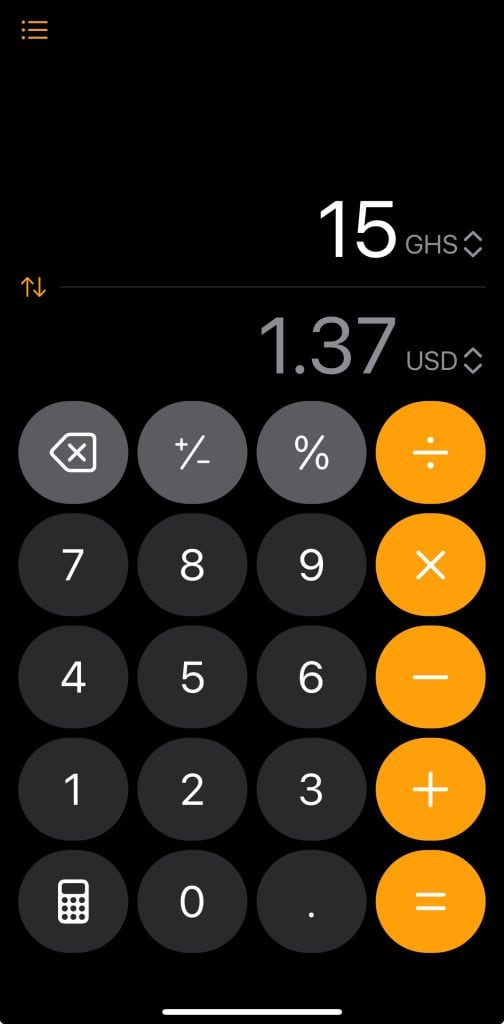
Currently, $1 is approximately 10.95 Ghanaian cedis. Keeping up to date on exchange rates will help you quickly assess whether prices are fair when bargaining. Even small amounts in cedis can feel larger when converted to dollars. Practicing simple mental calculations helps you make quick decisions and shop confidently.
Jewels’ Tip: Use your phone’s calculator currency conversion (or a quick Google conversion) so you can judge prices fast while bargaining.
Best Time of Day to Visit Markets in Ghana
The best time to visit markets in Ghana is early morning, when crowds are lighter and vendors are more open to conversation and negotiation. Late mornings and early afternoons are livelier but more crowded, while evenings tend to be calmer for browsing street vendors and shopping streets.
Master the Haggling Technique
Haggling is a normal and expected part of shopping in Ghanaian markets, especially for souvenirs, crafts, and non-food items.
Let the Vendor Say the First Price
Always let the vendor make the first offer. It gives you a starting point. When making your counteroffer, start low, around half the initial price, and work your way up slowly.
Keep a Friendly Attitude
Smile, greet the vendor, and use polite local phrases. Vendors respond better to friendly bargaining, and a little warmth can make the process fun for both sides.
Be Ready to Walk Away
One of the most effective strategies when shopping in Ghanaian markets is to be willing to walk away. Often, vendors will call you back or lower the price rather than miss a sale.
I did most of my shopping at the Arts Centre because it was easier to navigate and more manageable than Makola Market, which can be quite crowded. Here’s an example of a typical exchange between me and a vendor:
Vendor: (after the first round of bargaining) Give me your best price.
Me: I gave you my best price already.
Vendor: You can do better.
Me: Umm, no, I can’t. Bye. (walks away, and another vendor invites me into his shop).
About five minutes later, the first vendor came to me and offered me the necklace at my best price! Score!
Jewels’ Tip: Stick to your price. If a vendor doesn’t want to budge, there are plenty of others to check out, or they might surprise you and come around after all.
Cultural Etiquette and Local Tips
Understanding basic cultural etiquette makes shopping in Ghana’s markets more respectful, enjoyable, and successful.
- Greet vendors first: Start with a friendly greeting, such as “Good morning” or the local “Maakye.” A simple hello goes a long way in building rapport before negotiations.
- Stay calm about your favorites: Try not to show too much excitement over an item. Staying relaxed helps you negotiate more effectively.
- Carry small cash bills: Many vendors don’t take cards, so having small bills makes transactions easier and faster.
- Be discreet with comparisons: Avoid comparing prices loudly in front of other sellers. It keeps the atmosphere friendly and respectful.
What to Buy: Souvenirs Worth Haggling For
Markets in Ghana are full of unique finds. Here are some must-buy items that are perfect for haggling:
- African print fabric: Kente and batik fabrics make vibrant keepsakes or gifts.
- Shea butter and black soap: Natural, handmade, and a true taste of Ghanaian tradition.
- Beaded jewelry and masks: Colorful, handcrafted pieces that showcase local artistry.
- Handmade baskets and woven fans: Practical, beautiful, and perfect for decorating your home.

FAQs on Markets in Ghana
What is the Most Popular Market in Ghana?
Makola Market in Accra is the most popular market in Ghana, known for its lively atmosphere and wide selection of fabrics, food, souvenirs, and everyday goods. It’s a must-visit for travelers looking for an authentic local shopping experience.
Which Market is the Largest in Ghana?
Kumasi Central Market (Kejetia) is the largest market in Ghana and one of the biggest open-air markets in West Africa. It spans several acres and contains thousands of stalls selling everything from textiles to fresh produce.
What are the Different Types of Markets in Ghana?
Markets in Ghana include open-air food markets, large central trading hubs, craft markets, street vendor zones, and regional cultural markets.
Is Makola Market Safe for Tourists?
Yes, Makola Market is generally safe for tourists, especially during daylight hours. Because it’s busy and crowded, visitors should keep their valuables secure and stay aware of their surroundings.
Travelers who want local insight and stress-free navigation may enjoy a guided Ghana market tour, which typically includes Makola Market, the Accra Arts Centre, and a taste of local cuisine.
Final Thoughts on Shopping at Markets in Ghana
Across multiple visits to Ghana, market shopping has consistently been one of the most memorable ways I’ve connected with local culture.
Shopping in the markets of Ghana isn’t just about what you buy; it’s about the experience. The sounds, colors, scents, and conversations all blend into something unforgettable. Every stall tells a story, and every exchange is an opportunity to connect with local artisans and experience daily life in a truly authentic way.
Bargaining is part of that rhythm, a friendly back-and-forth, that makes shopping here feel alive. Once you embrace it, you’ll realize it’s less about the price and more about the connection. Whether you’re browsing handmade jewelry in Accra, colorful Kente fabric in Kumasi, or unique crafts in Tamale, Ghana’s markets offer a memorable window into everyday life.
For more trip-planning support, this Ghana travel guide covers routes, regions, and tips to help you build a well-rounded itinerary.
Liked it? Pin it!