What to Wear in Morocco as a Woman: A Packing Guide
I traveled through Morocco during the summer, and during Ramadan, visiting Marrakech, Fes, the Atlas Mountains, rural villages, and the Sahara Desert. Figuring out what to wear was one of the things I thought about most before my trip.
What I learned is that you don’t need an entirely new wardrobe for Morocco, and you don’t need to cover your hair. The sweet spot is clothing that’s loose, breathable, comfortable, and modest enough for where you’re going.
In this guide, I’m sharing what I actually wore in Morocco, and specific recommendations on what to wear in Morocco as a woman.
What to Wear in Morocco as a Woman: Quick Guide
| Pack | My recommendation |
|---|---|
| Tops | Loose cotton/linen shirts, breathable blouses, tees |
| Bottoms | Wide-leg pants, loose trousers, midi/maxi skirts |
| Dresses | Midi/maxi dresses; preferably breathable fabrics |
| Layers | Kimono, cardigan, light jacket |
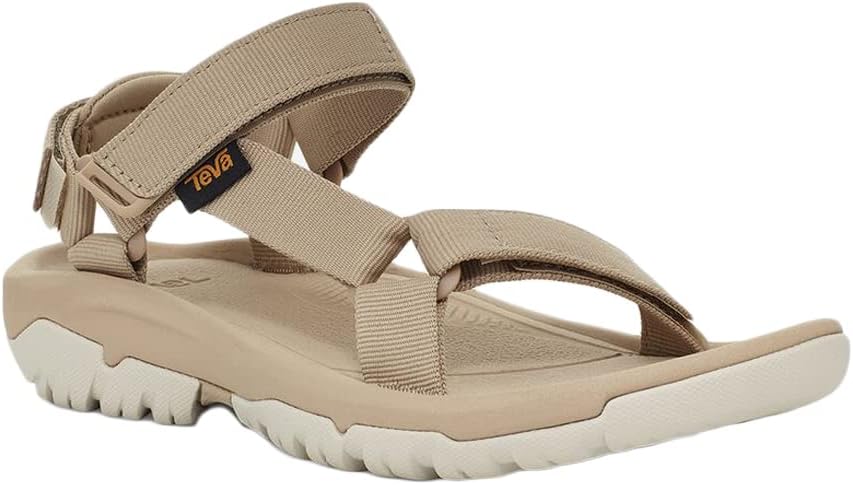
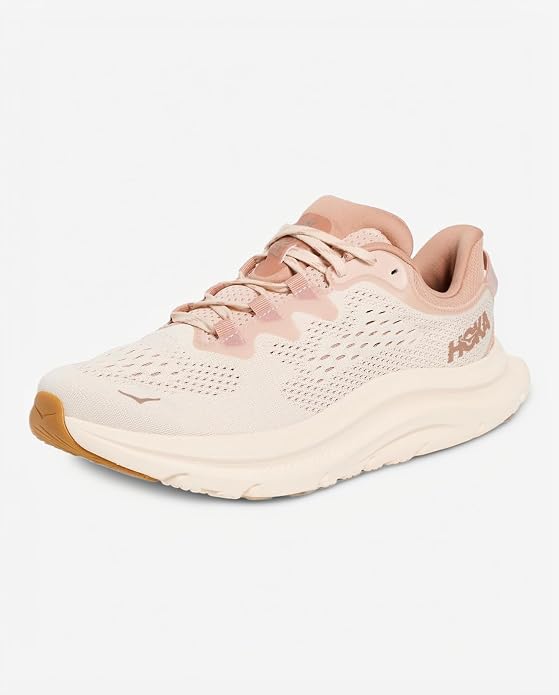
| Shoes | Comfortable sneakers + supportive sandals |
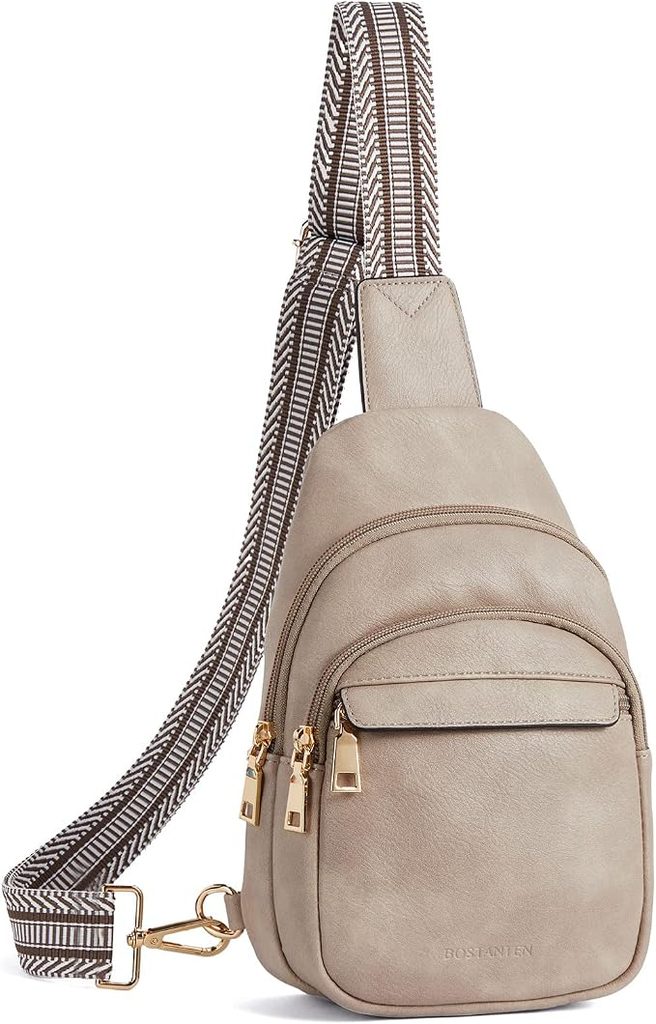
| Accessories | Scarf, sunglasses, sun hat, crossbody bag |
| Swim | Swimsuit + cover-up for beach/riad/hotel pool |
| Avoid | Very short shorts, mini skirts, crop tops, sheer or very tight clothing |
This post contains affiliate links, which means I earn a commission (at no extra cost to you) if you purchase from them. Thanks for supporting the free content on this site!
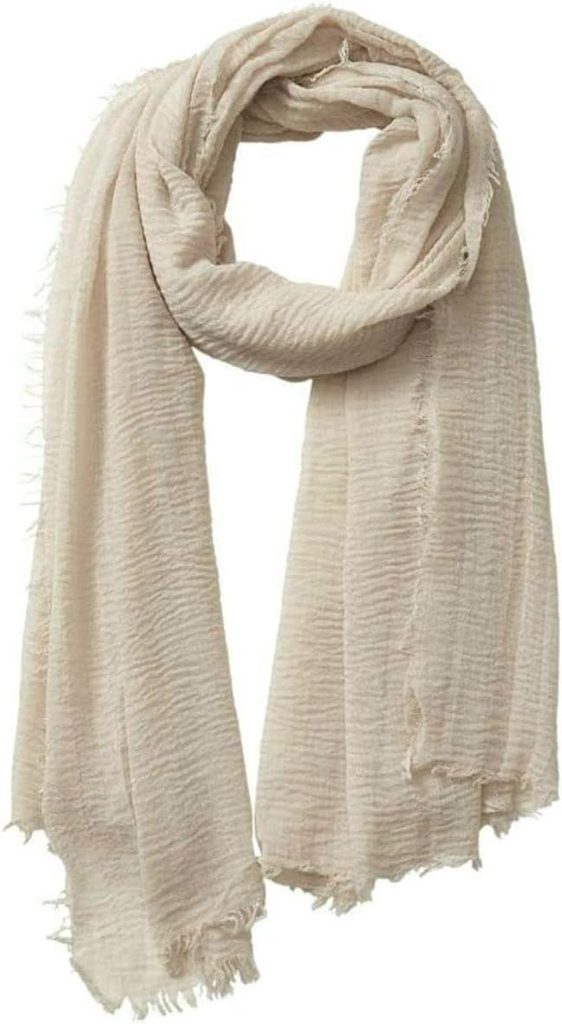
My #1 Morocco packing tip: Bring a lightweight scarf. Mine came in handy for coverage, sun protection, changing temperatures and adding something extra to an outfit.
Jewels’ Morocco Packing Essentials
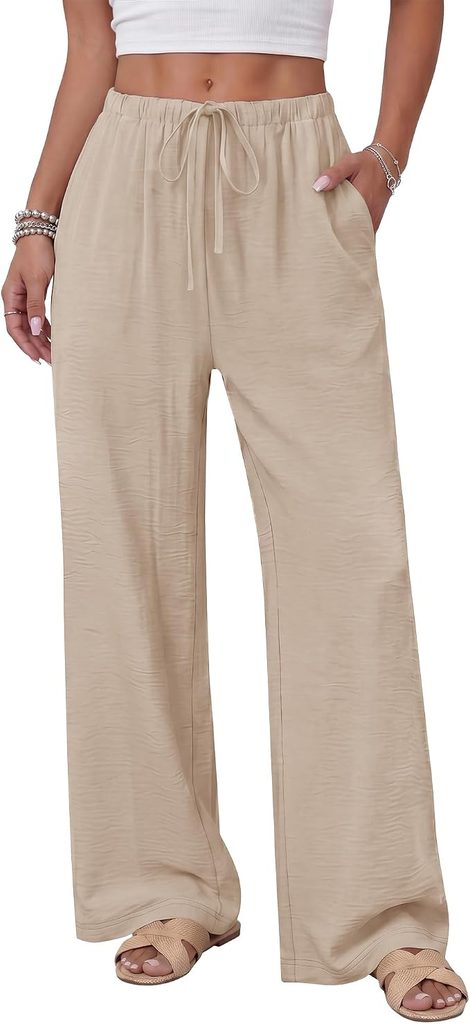
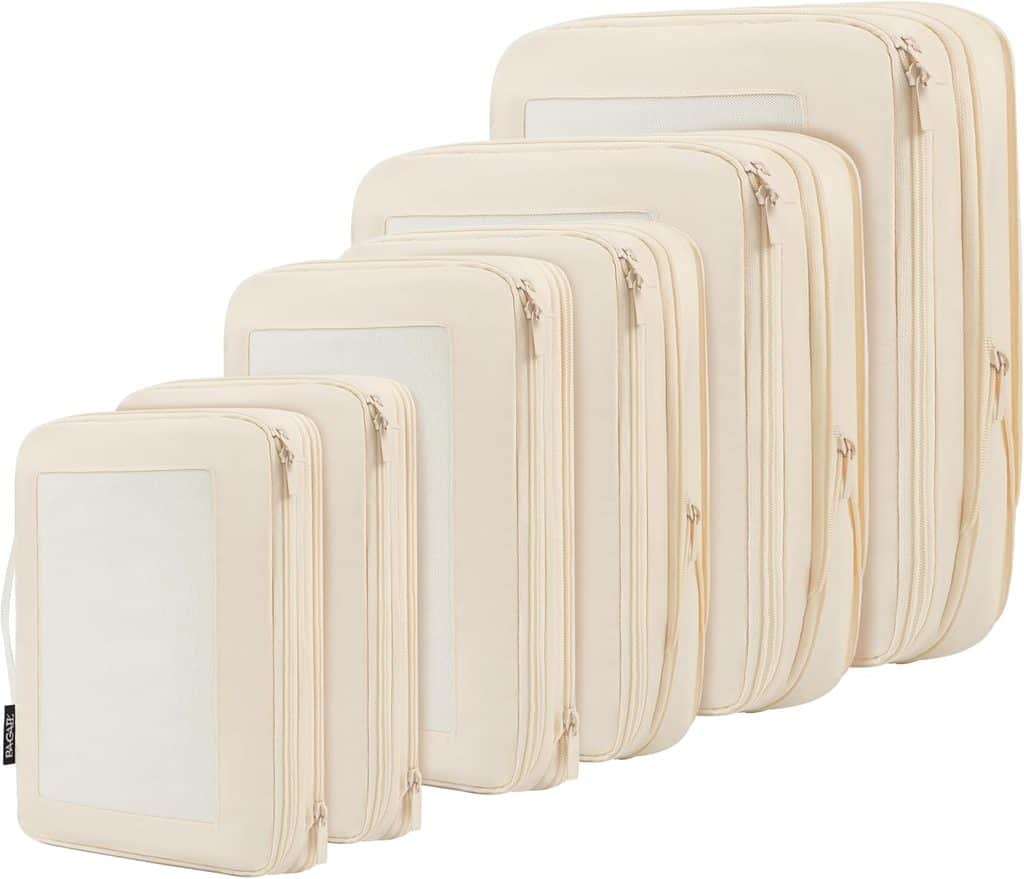
The key to packing for Morocco is choosing pieces that can work double duty throughout your trip. I’d prioritize breathable layers, comfortable shoes, and versatile accessories that can take you from exploring the medinas to the Sahara. Here are the essentials I’d pack:
How Women Should Dress in Morocco (Cultural Expectations)
Women should dress modestly in Morocco by covering their shoulders, knees, and chest, choosing loose silhouettes, and adapting to more conservative expectations in rural or religious areas.
Is Morocco Conservative for Women?
Morocco is a country where modesty is deeply valued, especially regarding how women dress. Understanding the Morocco dress code for women helps travelers show respect for local customs while still dressing comfortably and stylishly.
When I visited Morocco in the summer during Ramadan, the holy month of fasting and reflection, I quickly realized how important it is to be mindful of what you wear. While walking through the vibrant medina in Marrakech, I noticed a few tourists wearing shorts and crop tops. Our guide gently explained that this type of clothing is considered disrespectful, particularly during sacred periods like Ramadan.
This experience helped me better understand how clothing choices can impact how you’re perceived and treated while traveling.
How Local Women Dress in Urban vs Rural Areas
If you’re wondering how to dress modestly in Morocco while still expressing your personal style, one of the best things you can do is observe local women; they blend tradition and elegance beautifully.
In larger cities like Marrakech and Casablanca, you’ll see a wide range of styles. Some women wear jeans paired with tunics or loose blouses, while others opt for traditional garments like the djellaba, a long, flowing robe often worn for both everyday life and special occasions. The mix of modern and traditional fashion reflects Morocco’s rich cultural layers.
In smaller towns and rural areas, clothing tends to be more conservative. Women are more likely to cover their hair and wear looser, full-length garments that offer comfort in the heat while maintaining modesty. When in doubt, take cues from what local women are wearing, it’s one of the easiest ways to dress appropriately and respectfully.
What Not to Wear in Morocco as a Woman
While Morocco is welcoming to travelers, some clothing choices can attract unwanted attention or feel culturally inappropriate. As a general rule, avoid:
- Short shorts or mini skirts
- Crop tops or strapless tops
- Sheer or see-through fabrics
- Very tight or revealing clothing
Cultural Sensitivity Tips
During Ramadan or Mosque Visits
You don’t need to cover your hair as a tourist in Morocco. I still recommend carrying a scarf because it’s useful for extra coverage, sun protection, and religious sites where additional coverage may be appropriate or required.
If you’re traveling solo, these safety tips for women traveling in Morocco offer helpful insight into navigating the country confidently while respecting local customs.
What to Wear in Morocco as a Woman by Season
What you wear in Morocco changes somewhat by season, but the foundation of your wardrobe stays fairly consistent: modest, breathable pieces that are easy to layer. The biggest differences are how much warmth you’ll need and how you prepare for Morocco’s summer heat.
| Season | What to Expect | What to Pack |
|---|---|---|
| Spring (Mar–May) | Warm days, cooler evenings | Breathable clothing + light layers |
| Summer (Jun–Aug) | Very hot inland; intense sun | Lightweight fabrics + sun protection |
| Fall (Sep–Nov) | Warm days, increasingly cool nights | Breathable clothing + light layers |
| Winter (Dec–Feb) | Mild days in some areas; cold mornings/nights | Sweaters + warmer outer layers |
What to Wear in Morocco in Spring & Fall
Spring and fall are among the easiest seasons to pack for Morocco. During the day, opt for breathable tops, loose pants, midi or maxi dresses, and other lightweight pieces. Temperatures can drop in the evenings, so bring a light jacket, cardigan, or sweater that you can easily layer.
Keep in mind that temperatures vary considerably by region. The Sahara Desert and Atlas Mountains can be much cooler than Marrakech or the coast, particularly at night, so pack an additional warm layer if either is part of your itinerary.
What to Wear in Morocco in Summer (June to August)
Summer in Morocco can be intensely hot, especially in inland cities like Marrakech, Fez, and throughout the Sahara Desert, where daytime temperatures often reach 35–40°C (95–104°F).
For summer travel, prioritize lightweight, breathable fabrics such as cotton, linen, or rayon. Flowy maxi dresses, loose trousers, wide-leg pants, and airy blouses will help keep you cool while still respecting local customs. Even in the heat, it’s best to keep your shoulders and knees covered, not only out of respect, but also to protect your skin from the intense sun.
A wide-brimmed hat can also make long sightseeing days much more comfortable.
What to Wear in Morocco in Winter (December to February)
Winter in Morocco often surprises travelers. While coastal and northern cities remain relatively mild, places like Marrakech can feel chilly in the early mornings and evenings, and desert nights can be quite cold.
Layering is key during this season. Pack long-sleeved tops, light sweaters, and a jacket such as denim or leather that you can easily add or remove throughout the day.
This type of layering keeps you comfortable without feeling bulky and works well across different regions.

What to Wear in Morocco by Destination
What you wear in Morocco depends on where you’re headed: cities call for modest, breathable layers, the desert requires sun protection and temperature-ready outfits, and coastal towns benefit from wind-friendly pieces.
Each region has its own climate and cultural pace, so adjusting your outfits by destination helps you stay comfortable and respectful throughout your trip.
What to Wear in Marrakech & Fes
Marrakech and Fez are two of Morocco’s most popular cities, known for their bustling medinas, historic sites, and plenty of walking. These cities are culturally rich and fairly conservative, especially in older neighborhoods.
For daytime sightseeing, opt for:
- Loose trousers or wide-leg pants
- Midi or maxi skirts
- Lightweight long-sleeve tops or tunics
- Breathable fabrics like cotton or linen
Spending hours walking through the medinas, especially when exploring the medina in Fez, means navigating narrow, uneven streets, so supportive shoes and comfortable silhouettes make a big difference throughout the day.
Evenings are more relaxed, particularly in riads or restaurants, but modesty still goes a long way. A flowy dress that hits just below the knees or a chic blouse paired with trousers works well for dinner.
Planning your Stay? Browse Marrakech hotels and Marrakech tours & experiences through Viator.
What to Wear in the Sahara Desert
The Sahara Desert is one of the most unforgettable experiences in Morocco, but it also comes with dramatic temperature shifts.
During the day:
- Lightweight, loose-fitting clothing is key
- Long sleeves and full-length pants help protect against sun exposure
- Neutral colors reflect heat better
At night:
- Temperatures can drop significantly, even in warmer months
- Pack a warm hoodie, fleece, or light jacket
If you’re doing a camel trek or an overnight Sahara Desert tour, prioritize comfort and coverage over style, but don’t worry, flowing silhouettes photograph beautifully in the desert landscape.
During our Sahara Desert experience, I wore a loose-fitting sleeveless top with leggings one day and a racerback top with lightweight pants another. Because we were in a more remote setting, I felt comfortable showing more skin than I did while exploring Morocco’s cities and medinas.
If I were packing for the Sahara today, I’d choose loose, lightweight pants over leggings. They’re more breathable in the heat, provide better sun coverage, and are versatile enough to wear throughout the rest of a Morocco trip.
Planning a Sahara Experience? Browse Sahara Desert tours from Marrakech.

What to Wear in Coastal Cities (Essaouira & Casablanca)
Coastal cities like Essaouira and Casablanca tend to be more relaxed than inland cities, but modest dress is still appreciated.
Essaouira, in particular, is known for its strong coastal winds, so layers are helpful year-round. A light jacket or scarf will come in handy, especially in the evenings.
While beachwear is acceptable at the beach or hotel pools, it’s best to cover up when walking through town by throwing on a dress, kaftan, or loose pants.
What to Wear in Smaller Towns & Rural Areas
In smaller towns and rural parts of Morocco, clothing tends to be more traditional and conservative. Following local dress norms here not only shows respect, but it often leads to warmer interactions with locals.
What I Actually Wore in Morocco
Marrakech
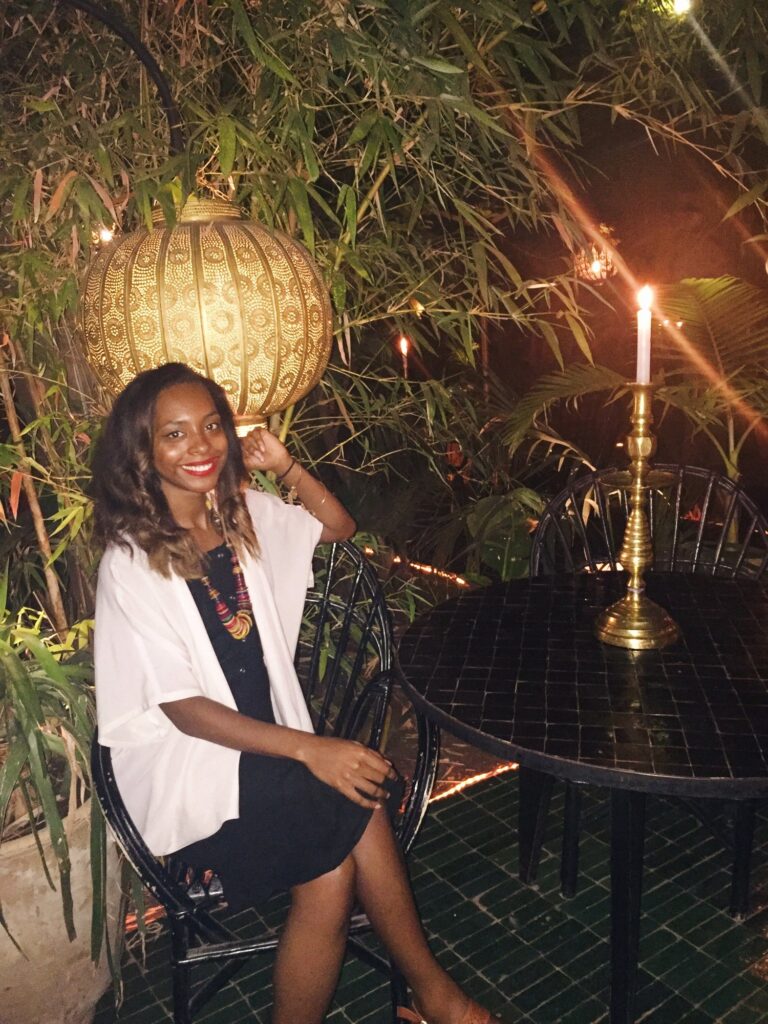
While exploring Marrakech, I wore a lightweight linen dress layered with a kimono. I kept the kimono on while walking through the medina for extra coverage, but once we arrived at a tourist-oriented restaurant, I felt comfortable taking it off. I loved having a lightweight layer I could easily add or remove depending on the setting.
Fes
On my trip to Fes, my traditional Moroccan kaftan was the perfect outfit for a half-day tour. The dress was really comfortable, and people were genuinely happy to see us wearing their traditional garments. It made the experience feel more authentic and connected.

Atlas Mountains
We drove from Marrakech to the Dades Valley via the Atlas Mountains, stopping in several rural villages along the way. I wore a halter-style pants jumpsuit paired with a long floral kimono. Despite the intense heat, the outfit stayed comfortable all day thanks to its lightweight, breathable fabric.

Morocco Packing Essentials for Women
Once you have your itinerary mapped out, these are the clothing basics I’d build my Morocco wardrobe around.
Tops
For tops, I’d pack a small mix of:
- Cotton or linen blouses
- Loose shirts or tunics
- Kimonos or lightweight cardigans
Bring one light jacket, cardigan, or warm layer for cooler evenings, mountain stops, and desert nights.
Bottoms and Dresses
Loose, flowy bottoms are ideal for Morocco. Long skirts, wide-leg pants, midi dresses, and maxi dresses provide coverage while still keeping you comfortable in the heat.
Shoes
Comfortable footwear is essential. Medina streets are often uneven and cobblestoned, so pack:
- Cushioned sneakers or supportive flats
- Loafers or walking sandals with good support

Shopping and Local Style Inspiration
Morocco offers beautiful scarves, kaftans, and handmade garments that let you dress modestly while embracing local style and supporting artisans.
Where to Shop in Morocco for Scarves, Kaftans, and Handmade Garments
In cities like Marrakech and Fes, the souks are filled with beautifully woven scarves, hand-embroidered kaftans, and lightweight djellabas. You can also find lovely pieces in smaller boutiques that work directly with local artisans.
A hand-stitched kaftan makes a wonderful keepsake that you can wear at home or on future trips.
How to Support Local Artisans and Sustainable Fashion
Whenever possible, buy directly from local artisans and ask about how their products are made and where the materials come from. Your purchase supports families and communities while helping preserve Morocco’s rich textile traditions.
Practical Packing Tips for Women Traveling to Morocco
A few simple packing strategies can help you fit everything you need for Morocco without overpacking, while still giving you enough outfit options for different destinations and activities.
How to Pack Light While Staying Stylish
Focus on pieces that mix and match easily. Choose neutral or complementary colors so you can create multiple outfits from a few items.
Roll your clothes instead of folding them. It saves space and helps prevent wrinkles. Packing cubes are also a lifesaver for keeping tops, bottoms, and accessories organized and accessible.
If you’re traveling for more than a week, plan to do some light laundry rather than packing a new outfit for every day. Many riads and hotels offer laundry services, and versatile pieces can easily be rotated into multiple outfits.
Color Palettes That Suit Morocco’s Landscapes and Sunlight
Morocco’s landscapes are rich with warm tones and vibrant colors. Earthy neutrals, soft pastels, jewel tones, terracotta, sandy beige, deep navy, and olive green photograph beautifully against Morocco’s cities and desert landscapes.
Choosing a cohesive palette also makes it easier to mix and match pieces without overpacking.
Morocco Packing Checklist for Women
Use this Morocco packing checklist as a final reference while packing your suitcase, adjusting quantities based on the length of your trip and the regions you plan to visit.
CLOTHING
☐ 3–4 breathable tops
☐ 2 loose trousers/wide-leg pants
☐ 1–2 midi/maxi dresses
☐ 1 light jacket/cardigan
☐ 1–2 scarves
☐ Sleepwear
☐ Underwear
☐ Swimsuit
SHOES
☐ Comfortable walking sneakers
☐ Supportive sandals
DAY-BAG ESSENTIALS
☐ Sunglasses
☐ Sun hat
☐ Crossbody bag
☐ Reusable water bottle
☐ Portable charger
☐ SPF
☐ Packing cubes

Ready to Plan Your Morocco Trip?
Once your suitcase is sorted, it’s time to plan the fun part. You can compare places to stay and book some of Morocco’s most memorable experiences below.
FIND A HOTEL
Compare hotels and riads for your Morocco itinerary.
→ Book Here
FIND THINGS TO DO
Browse tours and experiences in Marrakech, Fes, the Sahara and beyond.
→ Book Here
What to Wear in Morocco: FAQs
These FAQs answer the most common questions women have about dressing modestly, staying comfortable, and respecting cultural norms while traveling in Morocco.
What are the rules for female tourists in Morocco?
Female tourists in Morocco are not required to dress traditionally, but modest clothing is strongly recommended. Outfits that cover your shoulders, knees, and chest are the safest choice in medinas, rural areas, and religious sites. This dress code shows respect for local customs and usually results in more positive interactions.
Are jeans okay in Morocco?
Yes, jeans are perfectly acceptable for women in Morocco and are commonly worn by locals and travelers. Choose looser, breathable styles rather than very tight or distressed jeans, especially in traditional neighborhoods or during religious holidays. Pair them with a longer top or tunic to keep your look modest and comfortable.
Can a woman wear shorts in Morocco?
Shorts are generally not recommended for women in most public areas of Morocco, particularly short or tight styles. Longer, loose-fitting shorts may be acceptable in some beach resorts or very touristy areas, but lightweight pants or skirts are usually a better option. If you’re unsure, opt for covered knees to avoid unwanted attention.
Do girls need to cover up in Marrakech?
Women don’t have to fully cover up when visiting Marrakech, but modest outfits are still recommended, especially in the medina and around religious sites. Clothing that covers shoulders and knees is ideal for walking through busy streets and markets. Dress codes are more relaxed inside riads, restaurants, and hotels, where you can wear slightly dressier or less layered outfits.
Do women have to cover their hair in Morocco?
No, women are not required to cover their hair in Morocco. Many Moroccan women do, but many do not, and foreign visitors are free to choose what feels comfortable. I still recommend carrying a lightweight scarf for extra coverage, sun protection, and religious sites where additional coverage may be appropriate or required.
Is it safe for women to dress stylishly in Morocco?
Absolutely. Dressing modestly doesn’t mean sacrificing your personal style. Color, accessories, texture, flowing silhouettes, and locally made pieces like kaftans are all great ways to create outfits that feel stylish while still being appropriate for your surroundings.
What should women wear at the beach or pool in Morocco?
At beaches and hotel pools in Morocco, standard swimwear is generally acceptable, especially in touristy areas. Bikinis and one-piece swimsuits are acceptable in those settings, but you should cover up with a dress, kaftan, or loose pants and a top when walking to and from the water or through town. A lightweight cover-up and sandals keep you comfortable and respectful outside the immediate beach or pool area.
Final Thoughts on What to Wear in Morocco as a Woman
Packing for Morocco doesn’t have to be complicated. Focus on breathable, versatile pieces you feel good in, add a few strategic layers, and adjust your outfits based on where you’re traveling.
Planning your route too? My 7-day Morocco itinerary covers Marrakech, the Atlas Mountains, Dades Valley, the Sahara and Fes, so you can plan what you’ll need for each stop.
Pin for later!