

The Ultimate Mexico City Travel Guide (2026)
My love for Mexico City runs deep, so deep that I visited twice in the past year. This Mexico City travel guide is inspired by those recent trips and created for food lovers, history buffs, and anyone drawn to rich cultures and everyday beauty.
Despite its outdated reputation in some circles, time spent here quickly reveals a city that’s vibrant, creative, and full of life. Whether it’s your first visit or a return trip, this guide goes beyond a checklist, sharing practical tips, neighborhood insights, and can’t-miss experiences to help you plan a thoughtful, well-rounded journey.
If you’re building a broader Latin America itinerary that blends urban culture with outdoor adventure, consider adding El Salvador for volcano hikes, surf towns, and rich cultural experiences as a complementary stop to Mexico City.
This post contains affiliate links, which means I earn a commission (at no extra cost to you) if you purchase from them. Thanks for supporting the free content on this site!
Mexico City Travel Guide- At a Glance
✅ Best time to go: Nov–Apr (dry + mild)
✅ Best areas to stay: Roma / Condesa (walkable + food)
✅ Must-dos: Centro, Chapultepec, Anthropology Museum, Coyoacán, Xochimilco
✅ Best day trip: Teotihuacán (plus Grutas Tolantongo if you want nature)
✅ Getting around: Uber + Metro
Best Time to Visit Mexico City – Weather, Festivals & Crowds
The best time to visit Mexico City depends on what you value most in your travel experience. If pleasant weather and dry days are a priority, the months between November and April are ideal.
If cultural celebrations excite you, planning your trip around major festivals such as Día de Muertos in early November or Independence Day in September can add depth to your visit.
Weather by Season
- Dry Season (November–April): Mild temperatures, mostly sunny days, and minimal rainfall. Perfect for sightseeing and outdoor activities.
- Rainy Season (May–October): Afternoon showers are common, but mornings are usually clear. The city is lush and green, and hotel prices may be lower.
High vs Low Season
- High Season (December, Easter, Summer Holidays): Expect larger crowds at popular attractions, higher hotel rates, and busy airports.
- Low Season (May, September, October): Fewer tourists, more availability, and better deals on accommodations.
Major Festivals & Cultural Events
- Día de los Muertos (Day of the Dead, Nov 1–2): Traditional parades, colorful altars, and cultural celebrations across the city.
- Independence Day (Sept 16): Fireworks, public celebrations, and patriotic events.
- Semana Santa (Holy Week, March/April): Religious processions and special events, particularly in historical areas.
Quick Mexico City Itinerary Suggestions (1,3,7 days)
If you’re wondering how many days you need in Mexico City, the answer is simple: even one day is enough to fall in love, while three to seven days let you experience the city more deeply.
These flexible itinerary ideas help you make the most of your time, blending iconic sights, neighborhood exploration, and unforgettable food experiences without feeling rushed.
1-Day Itinerary
- Morning: Explore the Historic Center (Centro Histórico) – Zócalo, Metropolitan Cathedral, Templo Mayor.
- Lunch: Try street tacos or eat at Café de Tacuba for traditional Mexican cuisine.
- Afternoon: Visit Palacio de Bellas Artes and Alameda Central Park.
- Evening: Head to Torre Latinoamericana for panoramic city views.
3-Day Itinerary
- Day 1:
- Centro Histórico highlights (as above)
- Walk through Colonia Juárez & Zona Rosa for cafés and boutique shopping
- Day 2:
- Chapultepec Park & Castle
- National Museum of Anthropology
- Evening in Roma & Condesa for nightlife
- Day 3:
- Frida Kahlo Museum & Coyoacán
- Xochimilco canals – take a traditional trajinera boat ride
- Sample local food at Mercado de Coyoacán
7-Day Itinerary
- Days 1–3: Follow the 3-day itinerary
- Day 4: Explore Polanco – shopping, Museo Soumaya, dining at upscale restaurants
- Day 5: Teotihuacán Pyramids day trip
- Day 6: Optional day trips to Grutas Tolantongo, Parque Quetzalcoatl, Puebla, Cholula, or Tepoztlán
- Day 7: Free day to revisit favorite spots, enjoy street food, or relax in parks
Pro Tip: Start your days early to beat the crowds, book popular museums online in advance, and combine Uber or the Metro with walking in neighborhoods like Roma, Condesa, and the Centro Histórico.
Top Things to Do & See in Mexico City (Travel Guide Highlights)
Mexico City’s top things to do include exploring the Historic Center and Zócalo, visiting world-class museums, and wandering vibrant neighborhoods that showcase the city’s culture and history.
These must-see sights and experiences help first-time and returning visitors make the most of their trip.
Historic Center & Zócalo
The Historic Center is the vibrant heart of Mexico City, where centuries of history come alive around the vast Zócalo, one of the world’s largest public squares. Walking here, you’ll see colonial architecture side by side with the ancient ruins of Templo Mayor, creating a fascinating blend of past and present.
Don’t miss the stunning Metropolitan Cathedral or the richly adorned Palacio Nacional, both filled with stories, art, and history. Every corner tells a piece of Mexico’s story, making the Historic Center a must-see for any traveler seeking to feel the city’s soul.
Chapultepec Park & Castle
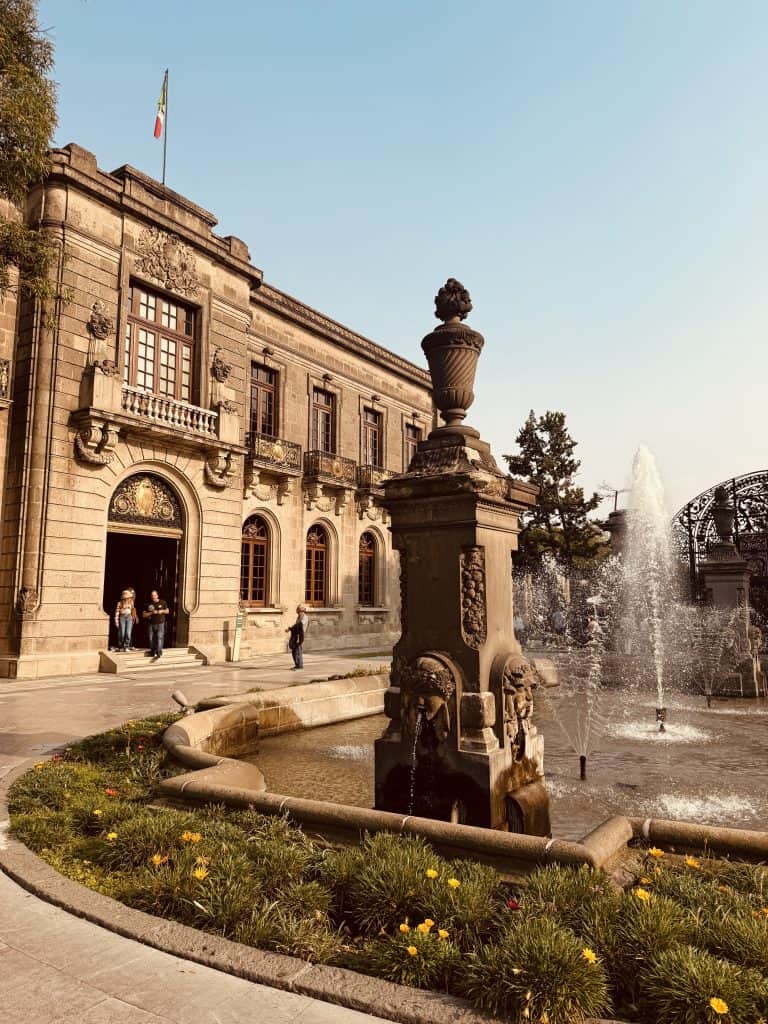
Chapultepec Park is known as Mexico City’s Central Park. Stroll along tree-lined paths, pause by serene lakes, and wander through world-class museums, taking the time to slow down and soak in your surroundings.
Perched atop the hill, Chapultepec Castle, the only royal castle in the Americas. We saw some of the best panoramic views of the city here. I highly recommend wearing comfortable shoes, as you will be on your feet for a long time.
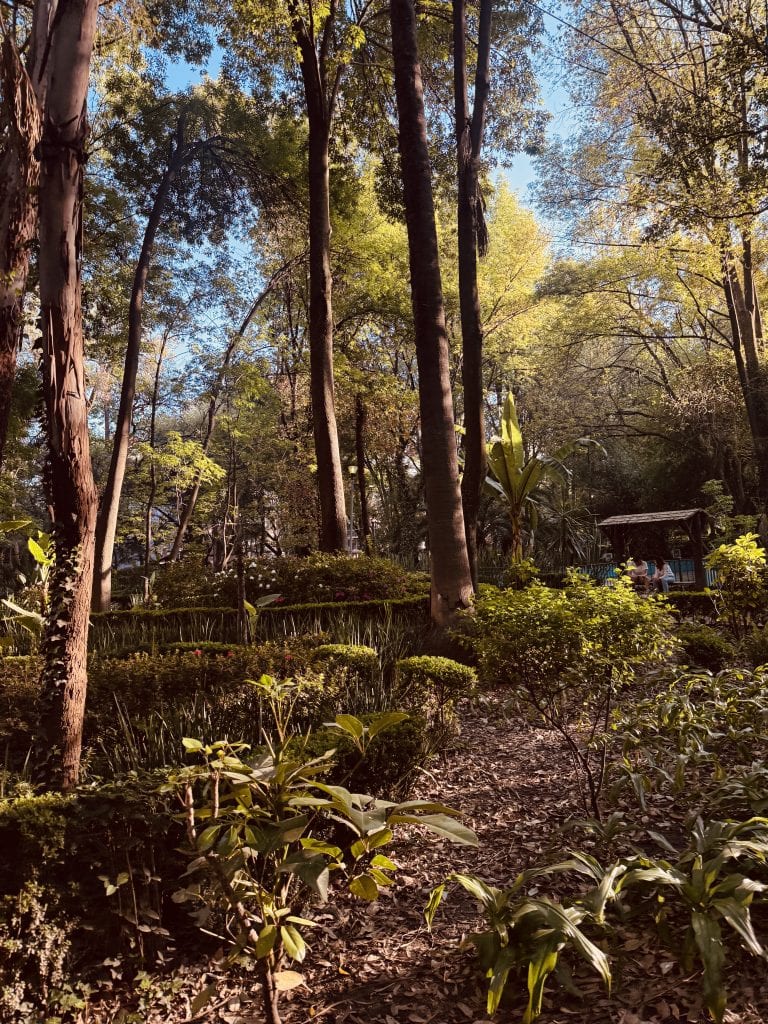
Parque México
Parque México was one of my favorite places in Mexico City and one of my top parks to visit worldwide. It felt so majestic to have such a serene green space in the heart of the Condesa neighborhood.
National Museum of Anthropology
The National Museum of Anthropology is one of Mexico’s most important cultural landmarks and a must-visit for anyone wanting to understand the country’s rich history. Inside, you’ll find an incredible collection of pre-Columbian artifacts from civilizations such as the Aztec and Maya, with the famous Aztec Sun Stone serving as a striking centerpiece.
Give yourself at least two to three hours to explore the exhibits, and consider joining a guided tour to uncover the fascinating stories, symbolism, and traditions behind each artifact. Visiting this museum allows you to connect deeply with Mexico’s past and gain a new appreciation for its cultural heritage.
Frida Kahlo Museum & Coyoacán
The Frida Kahlo Museum, housed in her former home, La Casa Azul, offers an intimate glimpse into the life and work of one of Mexico’s most celebrated artists. As you explore the colorful rooms and personal artifacts, you can feel her creativity and spirit come alive.
The surrounding neighborhood of Coyoacán adds to the experience with its cobblestone streets, leafy plazas, and vibrant artistic energy.
Pro Tip: Booking your tickets online in advance is highly recommended to secure your visit. Afterward, take time to wander the nearby Mercado de Coyoacán, where you can sample traditional snacks and local favorites while soaking in the neighborhood’s charm.
Xochimilco Canals
The Xochimilco Canals give you one of Mexico City’s most vibrant experiences. As you float along the UNESCO-listed waterways on a brightly painted trajinera boat, you’ll have a glimpse into a centuries-old tradition.
Morning visits are ideal because the canals are calmer and more scenic, allowing you to enjoy the scenery and live mariachi music without the heavier party crowds that arrive later in the day. This is a playful, immersive experience that lets you see another side of the city while connecting with its history and vibrant local culture.
Torre Latinoamericana & Panoramic Views
For breathtaking views of Mexico City, the Torre Latinoamericana is another recommended spot. From the observation deck, you can take in the full skyline and see how historic neighborhoods blend with modern development.
Visiting at sunset is especially magical, when golden light fades into the sparkling city lights and the energy of the city feels alive beneath you. It’s a perfect way to pause, reflect, and appreciate the vast scale and unique character of Mexico City from above.
Hidden Gems & Off-the-Beaten-Path Experiences
Beyond the well-known landmarks, there is so much to explore in Mexico City. Art lovers can explore Museo Jumex and Museo Soumaya, while street art tours in Roma and Condesa offer immersion into the city’s creative pulse.
Foodies will enjoy local mercados such as Mercado de San Juan, where you can discover unique ingredients and adventurous flavors that go beyond typical tourist fare. These lesser-known experiences add richness and depth to your visit, making your time in the city feel more personal and intentional.
Pro Tip: For efficiency and savings, consider multi-attraction passes if museums are on your list, and always check opening hours in advance, as many close on Mondays.
Neighborhood Guides – Where to Explore in Mexico City
Mexico City’s best neighborhoods depend on your travel style: Roma/Condesa for walkability and cafés, Centro for history, Polanco for luxury, Juárez for artsy energy, and Coyoacán for a slower, traditional feel.
Roma & Condesa – Hip & Trendy
Roma and Condesa are some of Mexico City’s most magnetic neighborhoods, where leafy avenues, art deco façades, and creative energy blend seamlessly. You can slow down and wander intentionally, spotting street art tucked between stylish cafés, yoga studios, and carefully curated boutiques.
I’ve stayed in Roma on my first visit and Condesa on my second. You’ll feel right at home exploring the specialty coffee, craft cocktails, and globally inspired dining scattered around the neighborhoods.
Pro Tip: Walking or biking is the best way to fully take in the relaxed yet vibrant rhythm that defines Roma and Condesa.
Polanco – Luxury & Culture
Polanco is where Mexico City’s refined side truly shines, blending upscale living with world-class culture. You’ll notice the neighborhood’s striking modern architecture right away, along with luxury shopping along Avenida Presidente Masaryk and iconic cultural landmarks like Museo Soumaya.
Polanco is also a destination for exceptional dining, where you can enjoy Michelin-level experiences such as Pujol alongside elegant sushi spots and contemporary fine-dining restaurants. This neighborhood is ideal if you’re drawn to a polished, high-end atmosphere while still wanting to feel connected to the city’s vibrant cultural scene.
Centro Histórico – Historic Heart
The Centro Histórico is the beating heart of Mexico City, alive with history, color, and constant movement. As you wander its streets, centuries-old landmarks such as the Zócalo, Metropolitan Cathedral, and Templo Mayor stand alongside cultural treasures such as the Palacio de Bellas Artes.
The neighborhood hums with energy, from street performers and bustling markets to tempting food stalls at every corner. You can savor traditional eats, sample street tacos, or pause at historic cafés like Café de Tacuba for a moment of local flavor.
Pro Tip: Arriving early in the morning gives you the chance to explore before the crowds arrive, making it the perfect place for immersive walking tours that let you truly feel the soul of the city.
Colonia Juárez & Zona Rosa – Eclectic & Artsy
Colonia Juárez and Zona Rosa reveal a more eclectic and expressive side of Mexico City, alive with artistic energy. As you explore these neighborhoods on foot, you’ll discover independent art galleries, cozy coffee shops, and cultural spaces hosting exhibitions and events throughout the year.
Colorful murals and unique architectural details appear around nearly every corner, turning every stroll into a visual adventure. You can also indulge your taste buds at trendy cafés and restaurants serving a wide range of international cuisine, reflecting the neighborhoods’ diverse and dynamic character.
Coyoacán – Traditional & Colorful
Coyoacán feels like stepping into a charming small town tucked within the heart of Mexico City, where cobblestone streets, colonial architecture, and a rich cultural identity create a slower, more intentional pace. As you wander through leafy plazas and local markets, you’ll feel the neighborhood’s vibrant history and artistic energy at every turn.
Pro Tip: For the most authentic experiences, seek out local markets, neighborhood cafés, and small eateries. These everyday spaces often leave the strongest impressions.
Best Places to Eat & Drink in Mexico City
Mexico City is one of the best food cities in the world. You can eat incredibly well at every budget, from street tacos and mercados to modern Mexican tasting menus and iconic cocktail bars.
It’s really hard to have a bad meal. Here are some of my favorite dining experiences:
Local Favorites & Street Food
- Tacos al pastor: El Huequito or Los Cocuyos
- My repeat order: Taquería Orinoco (I went back more than once)
- More taco favorites: Taquería El Califia de León, Taquería El Compita
- Churros: Churrería El Moro (iconic with hot chocolate)
- Pastries: Panadería Rosetta (go early)
Pro Tip: Carry cash for street vendors and order a few smaller portions so you can taste more spots in one night.

Top Restaurants (High-End & Modern Mexican)
- Pujol: A splurge-worthy modern Mexican experience (book well ahead).
- Quintonil: Creative seasonal tasting menus with local ingredients.
- Contramar: Seafood restaurant; order the tuna tostadas (book well ahead).
- Masala y Maíz: We celebrated my friend’s birthday here; Indian + Mexican flavors done so well.
- Expendio de Maíz: No menu, no reservations, courses keep coming until you say stop (cash only; go early).
- Choza: A very “Brooklyn” vibe with Thai-inspired dishes—only Saturdays + Sundays, and it’s not on Google Maps (use address Monterrey 194 to get there).
- Taverna: Authentic Mediterranean food and beautiful ambiance
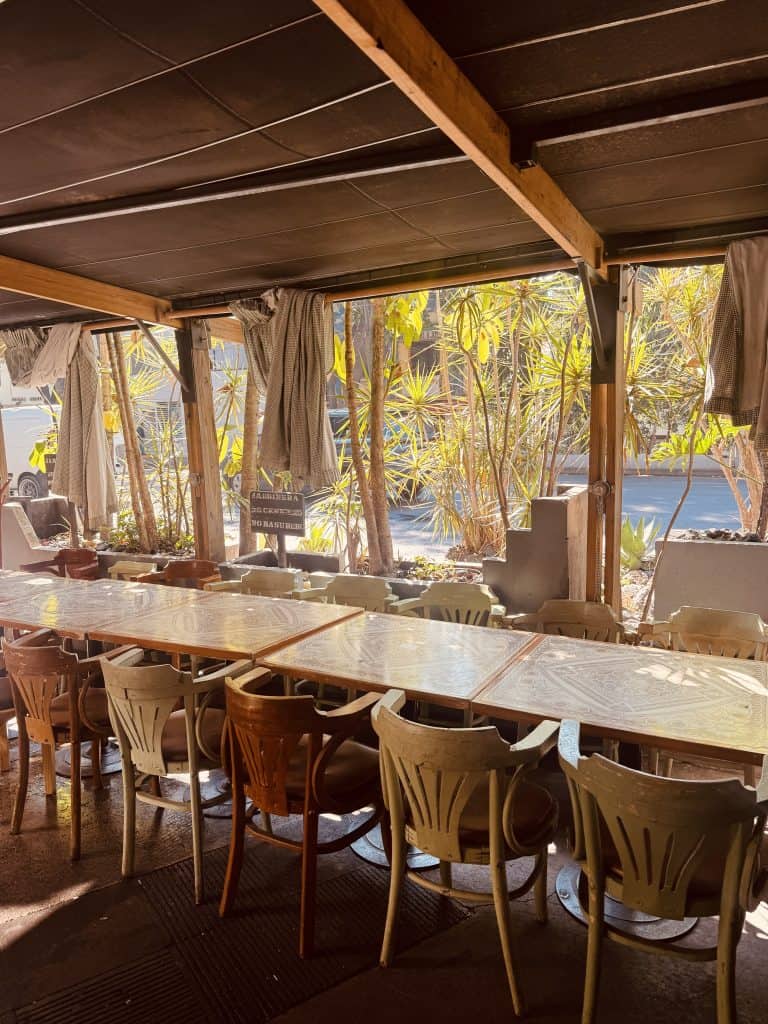
Markets & Cafés
- Mercado de San Juan: Exotic foods, gourmet products, and tasting experiences.
- Mercado Roma: Trendy market with artisanal food, coffee, and local snacks.
- Cafés in Roma & Condesa: There are so many hip cafés offering specialty coffee, pastries, and casual bites. Just wander, you can’t go wrong.
Drinks & Nightlife
- Pulque culture: La Hija de los Apaches (pulquería—go with an open mind).
- Mezcal: La Clandestina (ask for a small tasting to learn what you like).
- Cocktails: Salón Palomilla (one of my favorites).
- Speakeasy energy: Handshake Speakeasy (awarded #1 Bar in the world); Hanky Panky.
- Dancing: Mama Rumba (salsa/bachata/merengue), Patrick Miller (Friday nights are legendary).
- More favorites: Limantour (consistently great), Casa Franca (jazz—arrive before 10 pm for seats), Cabaret La Perla (fun, welcoming shows).
Pro Tip: If you want to learn mezcal fast, book a guided tasting—then you’ll know what to order the rest of the trip.
Where to Stay (Budget to Luxury)
For first-timers, Roma and Condesa are the easiest neighborhoods to stay in, thanks to walkability, food options, and quick access to major sights, so you can day-trip or Uber everywhere else.
Roma
📍Best Budget Spot: Stanza Hotel CDMX – A highly rated budget choice in Roma Norte with a great location near cafés, bars, and cultural spots.
📍Best Mid-Range Spot: Casa Serenos – I stayed here during my first visit to Mexico City. It’s a very charming hotel with lovely staff.
📍Best Luxury Spot: XOMA Boutique Stays by Viadora– A polished boutique hotel with standout design and service, ideal for a special stay in Roma.
Condesa
📍Best Budget Spot: Hotel MX Condesa Flow Condesa- A charming and affordable stay in the heart of Condesa, with cozy rooms, a friendly atmosphere, and easy access to parks, cafés, and nightlife.
📍Best Mid-Range Spot: Hotel Villa Condesa – Stylish and comfortable with strong reviews in one of Condesa’s most walkable areas.
📍Best Luxury Spot: Casa Cleo – A top luxury boutique property with thoughtful design and excellent guest ratings, perfect for a memorable stay.
Getting Around CDMX – Metro, Uber & More
The simplest way to get around Mexico City is to use Uber for convenience and the Metro for speed and budget, then walk within neighborhoods like Roma, Condesa, and Centro during the day.
Metro
The Mexico City Metro is one of the fastest and most affordable ways to get around, with an extensive network that reaches most major neighborhoods and attractions. You’ll pay just a few cents per ride, making it ideal for budget-conscious travelers and longer distances across the city.
Pro Tip: To make your journey smoother, try to avoid rush hours in the morning and evening, when trains can get crowded. Keep your belongings close, as pickpocketing can happen in busy stations, and use the maps available at stations or online to plan your routes with ease.
Uber, Didi & Taxis
Ride-hailing apps like Uber and DiDi make navigating Mexico City feel effortless and secure, especially if you’re unfamiliar with public transport or traveling late at night. You can expect moderate fares that are still cheaper than private airport transfers, and the convenience of cashless payments through the app adds peace of mind.
Pro Tip: Before getting in, always check the license plate and driver details, and enjoy the comfort of door-to-door travel without the stress of hailing street taxis.
Biking & E-Scooters
If you love exploring cities at a slower, more intentional pace, biking is a wonderful way to experience Mexico City. The city has expanding bike lanes and a popular bike-share system, Ecobici, which is especially convenient in neighborhoods such as Roma, Condesa, and the Centro Histórico.
Cycling gives you the freedom to discover cafés, parks, and hidden corners you might miss otherwise. Remember to wear a helmet and stay alert in traffic.
Walking Tours
Many of Mexico City’s most charming neighborhoods are incredibly walkable, and exploring on foot is one of the best ways to feel connected to the city’s rhythm. Areas like Roma, Condesa, Centro Histórico, and Coyoacán are perfect for leisurely strolls,
You can pause for coffee, admire architecture, and discover street art along the way. Join a guided walking tour to add rich historical context and hear insider stories that deepen your experience.
Airport Transfers
Getting from Benito Juárez International Airport to the city center is straightforward, with several convenient options depending on your comfort level and budget.
You can take an Uber or authorized taxi for an affordable ride, use the Metro to connect with the city network if you’re traveling light, or arrange a private shuttle or hotel pickup for a stress-free arrival. Choosing the right option depends on how much luggage you have and how much convenience you prefer after your flight.
A lot of staying energized in Mexico City comes down to pacing your days, staying hydrated, and planning movement intentionally — habits I outline in my 6 Habits of Healthy Travelers.
Practical Travel Tips for Mexico City
To make your Mexico City trip smooth and enjoyable, these practical tips cover safety, money, connectivity, packing, and more; everything a traveler needs to know before arriving.
If you tend to feel overstimulated in big cities, building in small self-care rituals can make a huge difference. I share the routines I rely on in my Traveler’s Guide to Self-Care.
Safety Tips
- Stick to well-traveled areas, especially at night.
- Avoid flashing valuables like cameras or expensive jewelry.
- Use ride-hailing apps (Uber, Didi) instead of street taxis.
- Keep a digital and physical copy of your passport.
- Be aware of common scams near tourist areas and metro stations.
Money & Currency Tips
- The local currency is Mexican Peso (MXN).
- ATMs are widely available; prefer bank ATMs over street machines.
- Cash is needed for street food, markets, and small shops.
- Credit cards are accepted in most restaurants and hotels, but always ask first.
SIM Cards & Connectivity
- Local SIM cards from Telcel, Movistar, or AT&T offer affordable data.
- Buy at the airport or authorized stores in the city.
- Wi-Fi is available in cafés, hotels, and some public spaces.
What to Pack
- Comfortable walking shoes: Many streets are cobblestone.
- Light layers & a rain jacket: Weather can vary.
- Sunscreen, hat, and reusable water bottle: UV rays can be strong.
- Portable charger & adapter: Most outlets are standard Type A/B.
Check out our travel essentials packing list to make sure you have everything you need for a smooth and stress-free trip.
Health & Accessibility Tips
- Tap water is not recommended; drink bottled or filtered water.
- Street food is generally safe at busy stalls; watch out for undercooked items.
- Most attractions are wheelchair accessible, but cobblestone streets can be challenging.
Extra Travel Tips
- Learn a few basic Spanish phrases; locals appreciate it.
- Download transport & food apps like Google Maps, Uber, and Rappi.
- Take advantage of free museum days or discounts.
Day Trips from Mexico City
The best day trips from Mexico City let you add ancient ruins, thermal waters, or colonial towns without changing hotels. A few of these (like Grutas Tolantongo and Parque Quetzalcóatl) are still under the radar for most first-time visitors.
Teotihuacán Pyramids
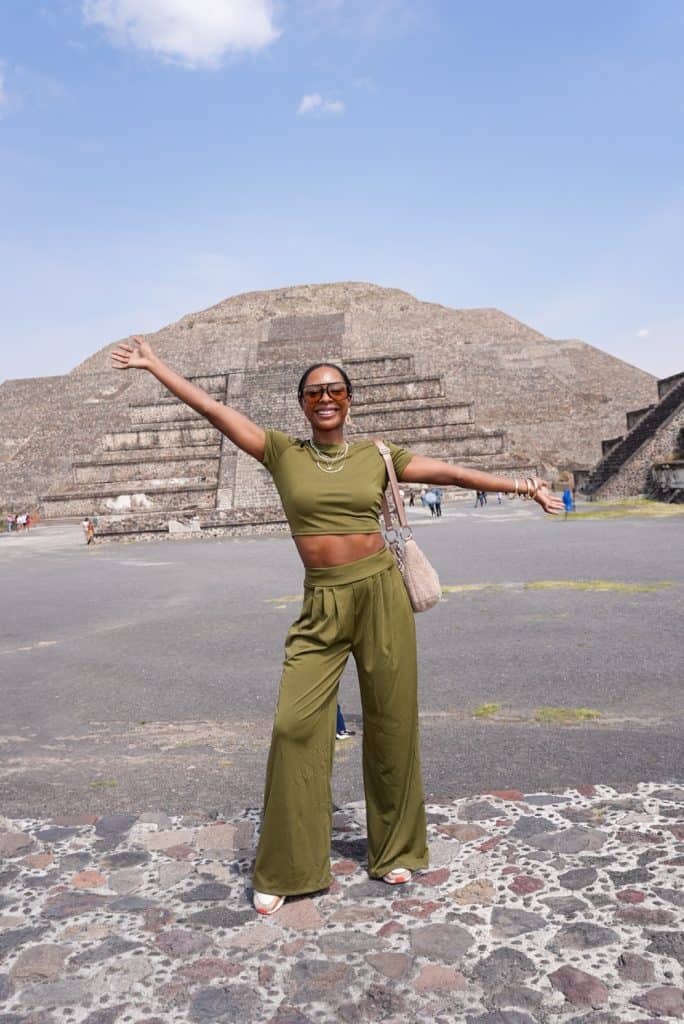
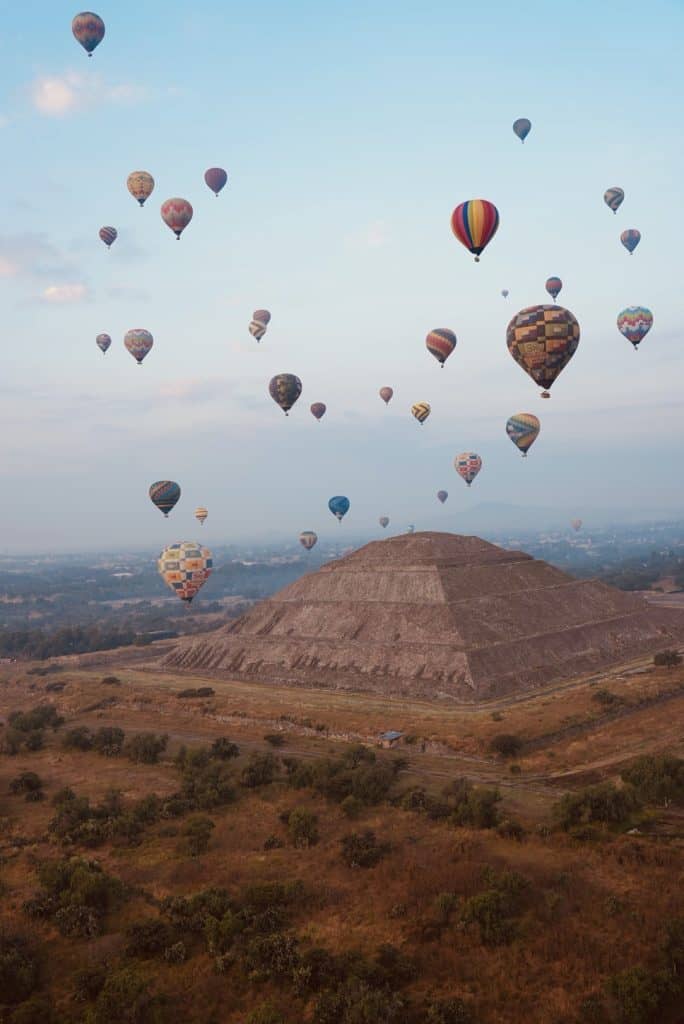
Just about 50 kilometers northeast of the city, the Teotihuacán Pyramids are a must-see for history lovers. Walking among the Pyramid of the Sun, Pyramid of the Moon, and the Avenue of the Dead, you can feel the power of one of the most important pre-Columbian cities.
Arriving early helps you beat the crowds and the midday heat, and comfortable shoes are essential if you want to climb the pyramids. For a deeper experience, consider a guided tour that explains the fascinating history, symbolism, and stories behind these awe-inspiring structures.
I highly recommend starting your Teotihuacán day with a sunrise hot air balloon ride, then exploring the pyramids on the ground afterward.

Grutas Tolantogo
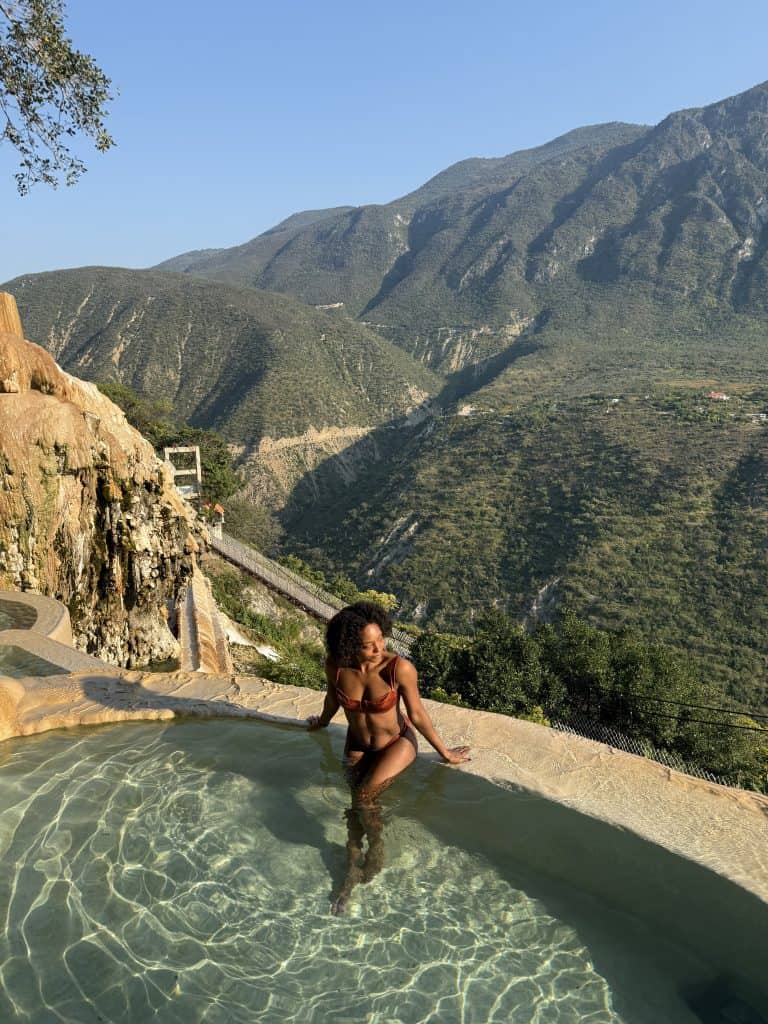
Grutas Tolantongo is one of the most unforgettable day trips from Mexico City— thermal pools carved into a canyon, a warm river, and caves you can swim through. We left around 3:30 a.m. to beat the crowds (worth it), and I strongly recommend swim shoes because the cave and river floors are rocky and slippery.
Parque Quetzalcóatl
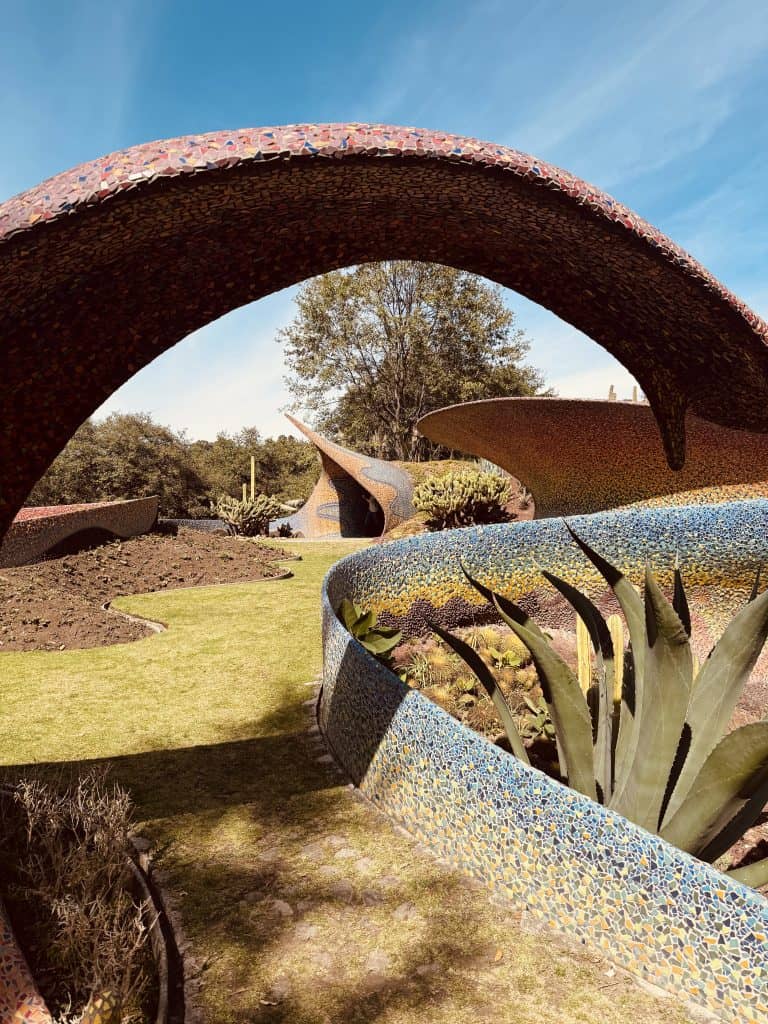
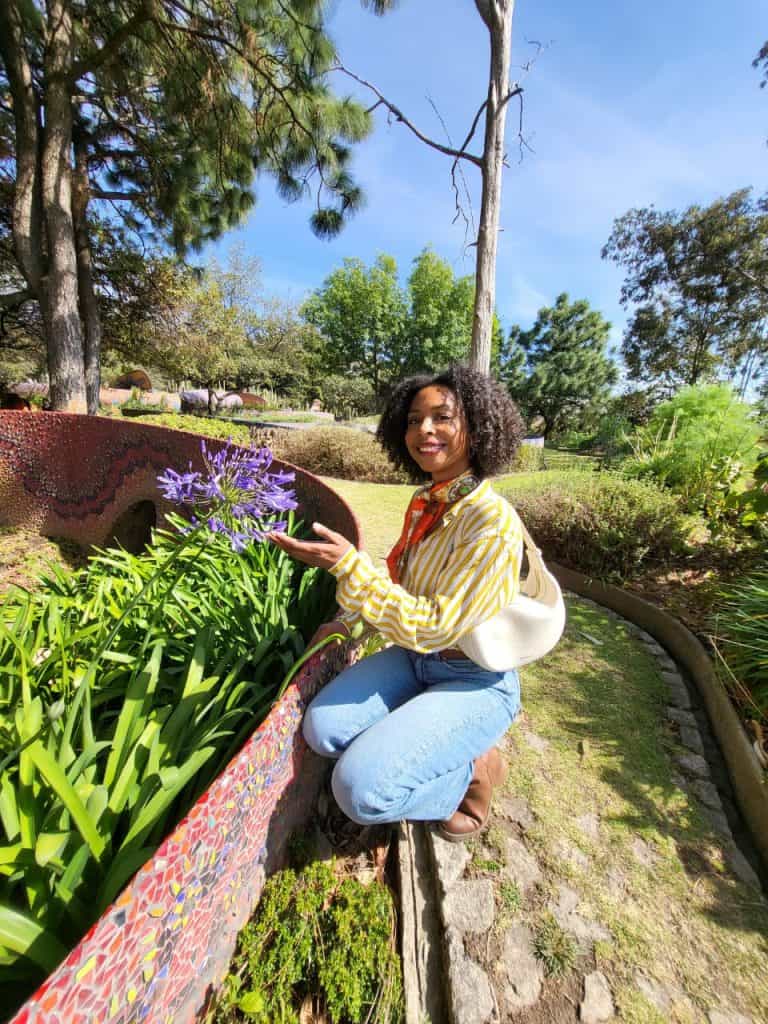
Parque Quetzalcóatl is a surreal, nature-meets-architecture escape just outside CDMX— organic structures, tunnels, gardens, and Gaudí-like design by Javier Senosiain. Entry is by reservation made via email. Also, plan transportation both ways—Uber/taxis can be hard to find in that area.
If you want a trusted local driver, I’ve used Pedro every time I’m in Mexico City, and I’ve referred him to friends.
Puebla & Cholula
Around 130 kilometers southeast, Puebla and Cholula are perfect for combining history, culture, and cuisine. In Puebla, you’ll be captivated by colonial architecture and can savor specialties like mole poblano at local restaurants.
Cholula is famous for its Great Pyramid, topped with a stunning church, offering panoramic views of the surrounding valley. Take time to explore local markets, where traditional handicrafts provide both souvenirs and insight into regional artistry.
Tepoztlán
Located about 80 kilometers south of Mexico City, Tepoztlán is a town known for its vibrant streets and spiritual energy. You can hike up to the Tepozteco pyramid to enjoy breathtaking panoramic views of the valley, so bring proper hiking shoes.
The town itself is full of charm, with colorful streets, artisan markets, and traditional foods.
Taxco & Cuernavaca
For a mix of silver, colonial charm, and lush gardens, consider Taxco and Cuernavaca. Taxco, roughly 170 kilometers away, is famous for its silver jewelry and hillside streets that feel straight out of a storybook.
Cuernavaca, only about 85 kilometers away, is known as the “City of Eternal Spring” for its pleasant climate and beautifully maintained gardens. Each destination deserves a full day, and while public transport is available, traveling by car or joining a guided tour is the easiest way to make the most of your visit.
Pro Tip: Start your day trips early to maximize daylight and see as much as possible. Pack essentials like water, snacks, sunscreen, and comfortable shoes for walking or hiking.
Mexico City Travel Costs & Budget Tips
Mexico City can fit any budget, from backpacker-friendly to luxury travel. Here’s a practical guide to daily costs, money-saving tips, and how to get the best value during your trip.
Daily Budget by Traveler Type
Budget Traveler
- Estimated Cost: $30–50 USD/day
- Includes: Hostel stays, street food, public transport, free attractions
Mid-Range Traveler
- Estimated Cost: $60–120 USD/day
- Includes: 3-star hotels, restaurants, Metro or ride-hailing, museum visits
Luxury Traveler
- Estimated Cost: $200+ USD/day
- Includes: 4–5 star hotels, fine dining, private tours, Uber or taxis
Tips to Save on Accommodation, Food & Transport
- Accommodation: Book early or use Airbnb in Roma, Condesa, or Centro Histórico.
- Food: Street food is cheap and delicious; markets offer affordable meals.
- Transport: Combine Metro + Uber for convenience and cost efficiency.
- Attractions: Look for free museum days and discounted passes for multiple sites.
Suggested Travel Apps & Resources
- Google Maps: Navigation and public transport planning.
- Uber / Didi: Safer rides than street taxis.
- Rappi: Food delivery for when you want to relax.
- Rome2Rio: Useful for day trips and intercity travel.
Frequently Asked Questions About Mexico City Travel Guide
Here are answers to some of the most common questions about the Mexico City Travel Guide.
Is Mexico City Safe for Tourists?
Mexico City is generally safe for travelers who stay aware and take common-sense precautions. Stick to well-known neighborhoods, use Uber or authorized taxis, and keep valuables secure, especially in crowded areas.
How Many Days Do You Need in Mexico City?
You need at least three days to see the highlights, but five to seven days allows for a more relaxed pace and a few day trips. The city is vast and layered, so extra time helps you explore neighborhoods, food scenes, and cultural sites without rushing.
What Is the Best Way to Get Around Mexico City?
Uber, taxis, and the metro are the most convenient ways to get around Mexico City. Walking works well in central neighborhoods during the day, while ride-hailing is best at night or for longer distances.
What Are the Must-Try Foods in Mexico City?
You should try street tacos, tamales, quesadillas, and churros from local markets and street stalls. Mexico City is also a global food capital, known for everything from casual street eats to world-class fine dining.
When Is the Best Time to Visit Mexico City?
November to April is the best time to visit Mexico City, with dry weather and comfortable sightseeing conditions. Summer (June–August) can be rainier with afternoon showers, but mornings are often clear, and the city feels lush. If you’re planning around culture, Día de Muertos (early November) and Independence Day (September) are unforgettable.
Is Teotihuacán Worth a Day Trip from Mexico City?
Yes, Teotihuacán is one of the most popular and worthwhile day trips from the city. The pyramids are impressive, easily accessible, and rich in history. Going early or with a guided tour helps you avoid crowds and better understand the site.
Final Thoughts on Mexico City Travel Guide
If you’re planning a trip to Mexico City, this Mexico City travel guide gives you everything you need to explore the city like a local and make the most of your visit. Whether it’s your first time or a repeat visit, this guide helps you embrace the city’s energy, culture, and traditions as you plan an intentional, unforgettable adventure.
If you’re continuing your trip through Mexico after Mexico City, pairing it with a few slower days on the coast can be a great contrast. My Tulum travel guide is a helpful next step for planning a beach-forward extension.
Pin for later:


