Bangkok Itinerary: Best 3–5 Day Guide for Your Trip
This Bangkok itinerary is designed to help you experience the city over 3 to 5 days without feeling rushed. It balances must-see highlights with local-approved experiences, giving you enough structure to plan confidently while still leaving room to explore.
I first visited Bangkok during a longer Southeast Asia trip, and it quickly stood out for its food, culture, and energy. I understand how overwhelming the city can feel at first, which is why this guide focuses on pacing, logistics, and choosing experiences that actually fit your travel style.
If you’re traveling intensely, on long flights, in hot weather, and with fast-paced days, I always lean on routines that help me stay grounded and centered on the road, which you can read more about in my Traveler’s Guide to Self-Care.
This post contains affiliate links, which means I earn a commission (at no extra cost to you) if you purchase from them. Thanks for supporting the free content on this site!
If this is your first time planning a trip to Bangkok, I recommend booking a few experiences in advance, especially temples, food tours, and day trips, so you’re not overwhelmed upon arrival. I’ve linked the exact tours and planning tools I personally use throughout this guide to make things easier.
3- 5 Day Bangkok Itinerary Overview
This Bangkok itinerary is designed for travelers spending 3 to 5 days in the city who want structure without feeling rushed. It combines must-see sights, food, neighborhoods, and optional day trips, so you can adjust the pace to your interests and energy level.
➡️ Day 1: Old City and River Evening
➡️ Day 2: Markets and Modern Bangkok
➡️ Day 3: Day Trip or Local Neighborhoods
➡️ Day 4: Hidden Gems and Cultural Flavors
➡️ Day 5: Slow Exploration or Optional Day Trip
Here’s a practical guide to help you plan your day in Bangkok, with suggested times, transportation tips, and highlights to make the most of your trip.

3-Day Bangkok Itinerary
A 3-day Bangkok itinerary is ideal for first-time visitors who want to see the city’s highlights without overpacking each day. This plan focuses on efficient routing, iconic landmarks, markets, and food experiences while leaving breathing room to navigate the city comfortably.
Day 1 in Bangkok: Old City and River Evening
Morning
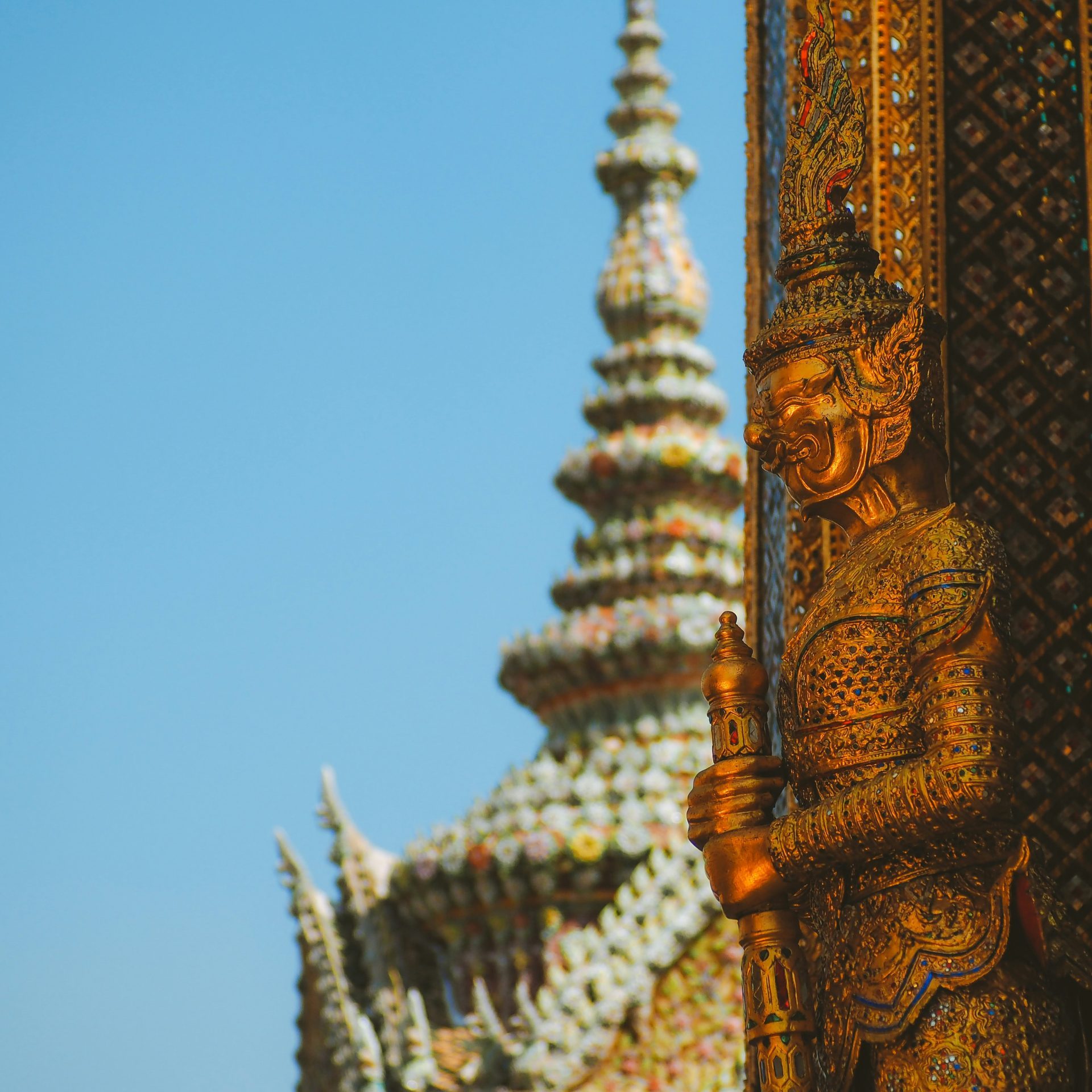
Start early, around 8 AM, with a guided walking tour of the Grand Palace and Wat Phra Kaew. These popular landmarks are best visited in the morning before the crowds and heat build.
Continue to nearby Wat Pho to see the Reclining Buddha and enjoy a short traditional Thai massage at the temple complex.
Afternoon
Have lunch at The Sixth Restaurant, a cozy and popular spot near Wat Pho known for its flavorful Thai classics. After lunch, head to the Golden Mount and climb to the top for panoramic views of the city.
Evening
Take a Chao Phraya river cruise to see temples illuminated at night, or explore Khao San Road for street food and nightlife.
Day 2 in Bangkok: Markets and Modern Bangkok
Morning
Visit a floating market such as Damnoen Saduak or Taling Chan. Plan to start early, around 7 AM, to avoid crowds and heat.
Afternoon
Return to the city and explore Chatuchak Weekend Market (if visiting on a weekend) or head to Siam for modern malls and casual dining.
Evening
Enjoy sunset views from a rooftop bar or take a night tuk-tuk tour to see illuminated temples and markets. For dinner, stop at Supanniga Eating Room (Tha Tien), a riverside spot known for its flavorful Thai dishes.
Pro Tip: Use taxis or Grab for the floating market trip and BTS Skytrain for for moving around the city efficiently.
Day 3 in Bangkok: Day Trip or Local Neighborhoods
Option 1: Day Trip
Take a day trip to Ayutthaya, 1–2 hours from Bangkok, to explore ancient temples and historical sites.
Option 2: Stay Local
Explore a local neighborhood in Bangkok with art galleries, small cafes, and street food.
Evening
Return to Bangkok for a relaxed dinner near your accommodation. If staying in Sukhumvit, Baan Khanitha is an excellent choice, serving traditional Thai dishes in an elegant setting.
Pro Tip: Trains or guided tours are both convenient options for visiting Ayutthaya.
4-Day Bangkok Itinerary
A 4-day Bangkok itinerary gives you time to go beyond the main tourist sights and experience the city more slowly. This version builds on the 3-day route by adding cultural neighborhoods, hidden gems, and deeper food experiences.
To ensure you stay energized and enjoy every part of your itinerary, even on long days of walking and eating street food, I recommend adopting a few tried-and-true practices from my 6 Habits of Healthy Travelers.
Day 4 in Bangkok: Hidden Gems and Cultural Flavors
Morning
Visit Ko Kret Island for a peaceful escape from the city. Explore the Mon community, browse local handicrafts, and enjoy riverside scenery.
Afternoon
Head to Chinatown to explore vibrant markets, temples, and street food. Stop for lunch at T&K Seafood, a popular spot, known for its fresh dishes and lively energy.
Evening:
Enjoy city views from a different rooftop bar, such as Octave Rooftop, for a new perspective of Bangkok’s skyline.
Optional: Attend a local festival, live music event, or night market, if one aligns with your visit.
5-Day Bangkok Itinerary
A 5-day Bangkok itinerary is ideal for travelers who want a relaxed pace with time to explore neighborhoods, green spaces, and optional day trips. With five days, you can explore Bangkok without feeling like you’re constantly in transit.
Day 5 in Bangkok: Slow Exploration or Optional Day Trip
Morning
Spend time in one of Bangkok’s green spaces, such as Lumpini Park or Benjakitti Park. Walk the paths, relax by the water, or enjoy a casual morning outdoors.
Afternoon
Visit alternative markets like Or Tor Kor Market or Talad Rot Fai Srinakarin for unique shopping and local food experiences. If you prefer culture, explore quieter temples such as Wat Ratchanaddaram (Loha Prasat).
Another option for the afternoon is visiting Amphawa Floating Market or Nakhon Pathom for a small-town experience.
Evening
Enjoy a laid-back dinner or night market visit to wrap up your trip. Choose a neighborhood near your hotel to minimize travel time.
Transport Tip: Combine BTS, river boats, and short taxi rides to move efficiently across the city.
Pro Tip: Booking reputable tours for tours for day trips, canal rides, or cultural experiencess can save time and offer deeper local insight.
Essential Tips for Visiting Bangkok
Knowing when to visit, how long to stay, and how to get around makes a huge difference in how enjoyable Bangkok feels. These essential tips are especially helpful for first-time visitors navigating the city’s size, heat, and transportation options.
Best Time to Visit
Bangkok is warm all year, but the most comfortable months are November to February, when the weather is slightly cooler and less humid. This is also the busiest season, so expect more crowds.
March to May is very hot, and June to October is the rainy season, although the rain usually comes in short bursts. If you don’t mind a little heat or a quick afternoon shower, you can still enjoy the city at any time of year.
How Long to Stay
Three days is the perfect amount of time to see the major highlights and still enjoy some local experiences. If you can stretch it to four days, you can explore neighborhoods more slowly and try more food.
Five days is even better because it gives you enough time to add a day trip or discover hidden corners of the city that most travelers never reach.
How to Get Around Bangkok
Bangkok has many ways to get from place to place:
- BTS Skytrain is clean, fast, and perfect for avoiding traffic. I relied heavily on the BTS during my first few days.
- River boats are inexpensive and scenic. They’re also the easiest way to get to major temples.
- Tuk-tuks are fun for short distances.
- Taxis and Grab are affordable but can get stuck in traffic during busy hours.
Pro Tip: If you are taking a taxi, confirm the fare or make sure the meter is running before the ride begins. Using the BTS and river boats will help you avoid traffic and enjoy the city more.
Cultural Etiquette, Safety, & Daily Tips
- Dress modestly for temples. Covered shoulders and knees are required at many major sites, especially the Grand Palace.
- Watch out for common scams. If someone tells you a temple is closed or tries to redirect you, keep walking and check for yourself.
- Stay hydrated. The heat can sneak up on you.
- Carry small bills for street food, markets, and transport.

PC: Alejandro Cartagena on Unsplash
Where to Stay
The best place to stay in Bangkok depends on your travel style, budget, and how much time you want to spend in transit each day. These neighborhoods are well located for sightseeing.
To make booking easier, I’ve linked the highest-rated hotels in each neighborhood so you can quickly compare options without starting from scratch.
Riverside
This neighborhood is beautiful and peaceful, with easy access to boats that take you to the temples and Old City.
📍Best Budget Option: The Cosy River
This simple, budget-friendly stay is located right by the Chao Phraya. Guests like its relaxed atmosphere, and easy access to river transport, Icon Siam, and Asiatique.
📍Best Mid-Range Option: Chatrium Hotel Riverside Bangkok
This comfortable hotel features spacious rooms, an infinity pool, great river views, and a free shuttle boat to the Skytrain, perfect for convenient sightseeing.
📍Best Luxury Option: Anantara Riverside Bangkok Resort
This tropical escape features lush gardens, a large riverside pool, spa treatments, and elegant, Thai-inspired rooms, offering resort-style relaxation in the city.
Sukhumvit
This neighborhood is modern and lively, filled with restaurants, malls, and nightlife.
📍Best Budget Option: ZEN Master Hotel
This hotel offers clean, comfortable rooms in a central Sukhumvit location at a great price. It’s ideal for budget travelers who want easy access to restaurants, nightlife, and public transport without giving up convenience or comfort.
📍Best Mid-Range Option: Holiday Inn Sukhumvit
This spot stands out for its modern design, spacious rooms, and excellent service. With quick access to the train network, plus a rooftop pool and popular dining options, it’s a reliable and well-located choice for mid-range travelers.
📍Best Luxury Option: Sofitel Bangkok Sukhumvit
A combination of French elegance and Thai hospitality, this spot offers a luxurious stay complete with a spa, rooftop bar, and refined dining. Its prime location, upscale amenities, and polished atmosphere make it a top pick for travelers seeking sophistication in the heart of Sukhumvit.
Siam
This neighborhood is excellent for shopping and central for getting around.
📍Best Budget Option: Reno Hotel
This wallet-friendly hotel is known for its clean, comfortable rooms and unbeatable convenience. With top malls and the Skytrain just steps away, it offers some of the best value you’ll find in the Siam area.
📍Best Mid-Range Option: Grande Centre Point Ploenchit
This stay offers spacious modern rooms, a rooftop pool, and easy access to the train network, creating the perfect blend of comfort, convenience, and great city views.
📍Best Luxury Option: Siam Kempinski Hotel Bangkok
This spot delivers a true urban-resort experience with lush garden pools, elegant interiors, and direct access to Siam Paragon for effortless, indulgent luxury.
Old City (Rattanakosin)
This area puts you close to the Grand Palace, Wat Pho, and the historic parts of Bangkok.
📍Best Budget Option: Anandpura Riverside Hotel
Sitting right along the river, this affordable gem offers simple rooms with a warm, relaxed vibe. It’s perfect for travelers who want to wake up by the water while being within easy reach of Bangkok’s historic temples.
📍Best Mid-Range Option: Riva Surya Bangkok
This hidden boutique gem near the Old City features elegant décor, a peaceful riverside terrace, and easy access to landmarks like the Grand Palace and Wat Pho, offering both charm and convenience.
📍Best Luxury Option: Sala Rattanakosin Bangkok
Nestled right on the Chao Phraya River, this hotel combines stylish modern design with Old Bangkok charm. Some of its rooms offer breathtaking views of Wat Arun, and the rooftop bar gives you an unforgettable panorama at sunset.

Local-Approved Experiences
Local-approved experiences help you see a side of Bangkok that goes beyond temples and tourist checklists. These recommendations come from my friend, who is Thai and lives in the city, and highlight how locals actually spend their time.
Get Connected
Bangkok always has something happening, from wellness workshops to outdoor movies and art pop-ups. To stay updated, join helpful groups like Bangkok Event Network and Bangkok Art Network, where locals and expats share the latest events. These networks are great for discovering events, pop-up markets, or unique experiences that you won’t find in a guidebook.
Best Bars in Bangkok
Bangkok’s nightlife is always evolving, and there are plenty of spots to check out.
- Sky Bar (Lebua): Still a classic for its breathtaking 360° views and iconic status thanks to its appearance in The Hangover II.
- Bar.Yard (Kimpton Maa-Lai): A lush rooftop garden bar with tropical décor, BBQ-style food, and live DJs for a relaxed but lively evening.
- Nobu Rooftop (Empire Tower): Combines upscale Japanese-Peruvian cuisine with a stylish rooftop cocktail lounge and panoramic city views.
- Spire Rooftop Bar (Dusit / Saladaeng): This newer rooftop gem offers a cinematic skyline setting and refined cocktails, perfect for a more relaxed but elegant night out.
Tearooms and Cultural Spots
For a quieter pace in Bangkok, visit charming tearooms and explore creative neighborhoods. Double Dogs Tea Room offers a serene escape with high-quality loose-leaf teas, perfect for a relaxing afternoon.
Another favorite among visitors is Asiatique Ancient Tea House, located at Asiatique The Riverfront, where you can enjoy traditional teas in a beautifully restored setting. Pair these stops with gallery-hopping in Silom or Charoenkrung to soak up the city’s creative energy and cultural charm away from the crowds.
Street Food Adventures
Street food is one of the best ways to experience Bangkok, from sizzling noodle stalls to grilled skewers and sweet treats made fresh to order. Exploring neighborhoods like Chinatown and local markets lets you sample authentic flavors while observing how food fits into daily life in the city.
Many of the street food habits I picked up while traveling in Southeast Asia, especially the tips I shared in my Southeast Asia travel tips from Bali, helped me feel confident ordering food, navigating busy stalls, and knowing what to look for when choosing where to eat in Bangkok.
If you’d rather sit down for something just as flavorful, Bangkok has plenty of casual restaurants that locals love. Spots like Suda Restaurant offer no-frills, authentic Thai dishes, while Supanniga Eating Room is known for its warm, family-style recipes inspired by eastern Thailand.
Travelers with food allergies should take extra care when eating street food in Bangkok. I share more detailed safety tips in my guide on traveling with a peanut allergy, which covers how to communicate dietary needs clearly and reduce risk while still enjoying local food.
Peanuts are common in Thai dishes, so it helps to communicate clearly before ordering. Use this phrase if needed: “Chan kin thuaa mai dai” (I can’t eat peanuts). Keeping it written on your phone or card makes ordering much easier.
Temple Exploring
Bangkok is home to stunning temples, many of which are accessible by ferry. To make the most of your visits, go early in the morning to avoid crowds, wear modest clothing, and take time to notice intricate details like murals, chedis, and local rituals that most visitors overlook. Consider including a few smaller neighborhood temples for a quieter, more reflective experience.
Outside Markets
Markets are a big part of Bangkok life and are perfect for exploring like a local. While Chatuchak is famous, smaller markets offer unique finds, from handmade crafts to vintage clothing and authentic snacks.
Try Or Tor Kor Market for premium Thai produce or Talad Rot Fai Srinakarin for quirky antiques and retro goods. Visit early to avoid crowds and carry small bills for easy shopping.
Pro Tip: Use Google Maps to follow your Bangkok itinerary, pinning all your destinations for easy navigation. Having a visual guide will help you plan transport and timing efficiently.

Bangkok Itinerary: Frequently Asked Questions
These FAQs answer the most common planning questions travelers have when building a Bangkok itinerary. Each response is designed to stand alone and help you make quick decisions as you plan your trip.
What’s the Best Time of Year to Visit Bangkok?
The best time to visit Bangkok is November through February, when temperatures are cooler and humidity is lower. This is peak season, so expect higher prices and crowds, but generally favorable weather.
Is It Worth Hiring a Guide, or Should I Explore Independently?
Both options work well. Guided tours can add helpful historical and cultural context, especially for major sights, while independent exploration is easy with navigation apps and audio guides. Many travelers find that a mix of both offers the most flexibility.
Are Tuk-Tuks and Grab Good Transportation Options, or Should Visitors Avoid Them?
Tuk-tuks can be fun for short rides, but often cost more than expected. Grab is a convenient and reliable option for most trips. For a detailed breakdown of transportation options, see the How to Get Around Bangkok section earlier in the guide.
Is Staying Near a Train Station (BTS/MRT) Worth It for Getting Around Bangkok?
Yes. Staying near a BTS or MRT station makes it much easier to follow your Bangkok itinerary, offering quick access to major attractions while helping you avoid traffic delays. Neighborhood recommendations earlier in this guide highlight areas with the best transit access.
Is Bangkok a Good Destination for First-Time Visitors to Asia?
Yes. Bangkok is an excellent introduction to Asia thanks to its modern transportation, wide range of accommodations, and well-developed tourism infrastructure. While the city can feel busy at first, it’s easy to navigate with a bit of planning.
How Many Days Do You Need in Bangkok?
Most travelers find that 3 to 5 days is ideal for experiencing Bangkok’s highlights while leaving room for local neighborhoods and optional day trips. This itinerary offers flexible options so you can adjust it to your pace and interests.
Final Thoughts: Bangkok Itinerary
A well-planned Bangkok itinerary balances iconic sights with realistic pacing and local experiences. This guide is designed to help you enjoy the city without burnout, whether you’re visiting for three days or staying for a week.
Use this guide as a starting point, personalize it to your style, and enjoy every moment of your Bangkok adventure.
Loved this Bangkok itinerary? Save it for later on Pinterest.