Greece Off Season Travel Guide
Greece is often imagined as a sun-drenched summer dream, but Greece’s off season travel reveals a quieter, more intentional side of the country once the crowds fade and local life takes center stage.
From misty mornings in ancient cities to uncrowded island promenades and lingering café conversations, the off-season invites you to experience Greece at a gentler pace.
This guide is designed for travelers seeking fewer crowds, better prices, and a slower, more cultural experience of Greece. It covers what it’s like to visit from autumn to spring, including weather, costs, open attractions, and tips for planning a meaningful, unrushed journey.
When Is the Greece Off Season?
The Greece off season runs from late October through early May, when tourist crowds thin, prices drop, and travel feels slower and more local. This is the season of quiet streets, easier conversations, better prices, and a deeper connection to everyday Greek life.
While it may not deliver endless beach days, it offers something equally valuable: space to breathe, explore, and experience Greece more intentionally.
Shoulder Season vs. True Low Season
The off-season can be divided into two distinct phases. Shoulder season falls in October and April–May, when the weather is still pleasant and many hotels, tours, and ferries are operating, just at a gentler pace.
True low season, from November through March, is when tourism slows significantly, especially on the islands. Some places close temporarily, but what remains open feels wonderfully authentic and refreshingly uncrowded.
Weather Expectations by Month
Each month of Greece’s off-season offers unique weather, charm, and opportunities for slower, more intentional travel.
- October: One of the best off-season months. Days are warm, evenings are mild, and the sea is still swimmable. Perfect for sightseeing, island hopping, and outdoor cafés without the summer rush.
- November: Cooler and quieter. Expect occasional rain, especially in northern regions, but also cozy city days, fewer tourists, and excellent conditions for cultural exploration.
- December – February: Winter in Greece is mild compared to much of Europe. Snow appears mainly in the mountains, while cities like Athens remain cool but walkable. This is ideal for museums, food-focused travel, and slow mornings with strong Greek coffee.
- March: A transitional month. Temperatures rise, daylight increases, and the country begins to wake up. Great for nature lovers, hiking, and early spring festivals.
- April – May: Spring at its best. Wildflowers bloom, Easter celebrations fill villages with life, and the weather is comfortably warm, arguably one of the most rewarding times to visit Greece.
Traveling in Greece off-season isn’t about missing out; it’s about choosing a different, often richer, version of the experience.
Weather Breakdown: What to Expect Across Greece
During the Greece off season, weather varies significantly by region, with mild winters in the south, cooler temperatures in the north, and unpredictable conditions in mountainous areas.
Knowing these differences helps you plan comfortable and intentional travel experiences.
Mainland Weather (Athens, Thessaloniki)
Mainland cities like Athens and Thessaloniki remain pleasantly mild for much of the off-season. Autumn brings warm days and crisp evenings, ideal for long walks through historic neighborhoods and outdoor café hopping.
Winter temperatures are cool but rarely extreme, making sightseeing, museum visits, and food-focused travel especially enjoyable. By March, sunshine becomes more consistent, and spring arrives early, filling parks and streets with new energy.
Island Weather (Crete, Cyclades)
Island weather varies more noticeably. Crete, Greece’s southernmost island, enjoys the warmest off-season climate and stays lively year-round, making it one of the best island choices from October to April.
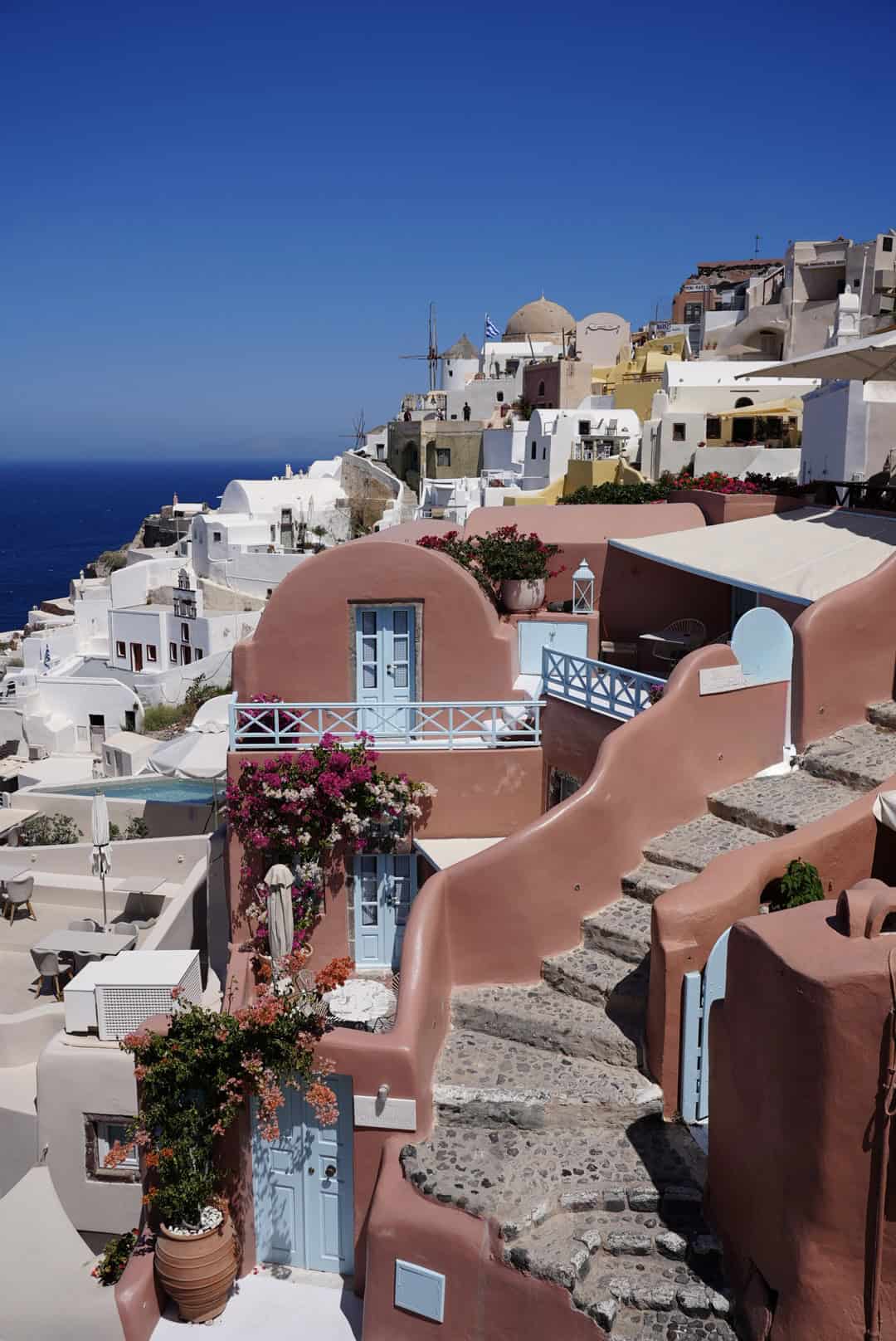
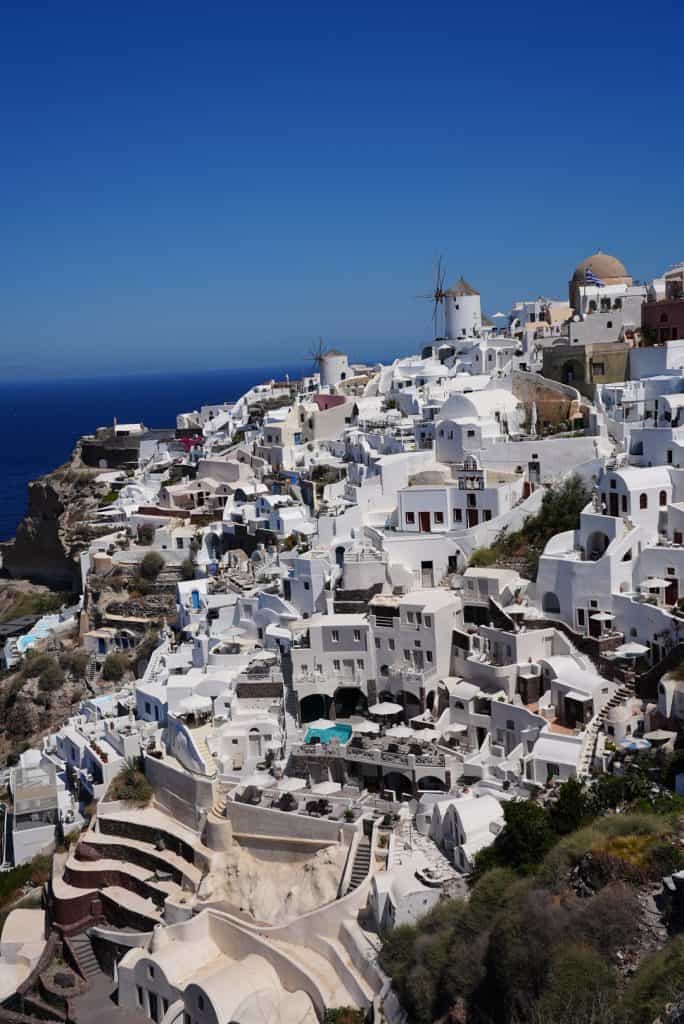
The Cyclades, including places like Mykonos and Santorini, are windier and cooler in winter, with many businesses closing temporarily, but they offer dramatic landscapes, moody beauty, and peaceful solitude you won’t find in summer.
Micro-Region Climate Differences
Greece’s geography creates distinct microclimates. Northern regions experience cooler temperatures and occasional snow in the mountains, while southern islands remain mild. Coastal areas tend to be warmer than inland regions, and elevation plays a big role, which is perfect to keep in mind when planning outdoor activities.
Best Months: Comfort vs Quiet
For the best balance of comfortable weather and fewer crowds, aim for October, April, or May. If your priority is peace, reflection, and slow travel, the winter months deliver a calm, deeply local experience, ideal for travelers who value stillness as much as sunshine.
Pros & Cons of Visiting Greece Off Season
Visiting Greece off season offers lower prices, fewer crowds, and more authentic experiences, but requires flexibility due to limited ferries and seasonal closures.
Pros
Lower prices & better deals
Off-peak travel is kind to your budget. Flights, hotels, and even guided tours are often significantly cheaper, allowing you to stay longer, upgrade your accommodation, or travel more slowly without financial pressure.
Fewer crowds
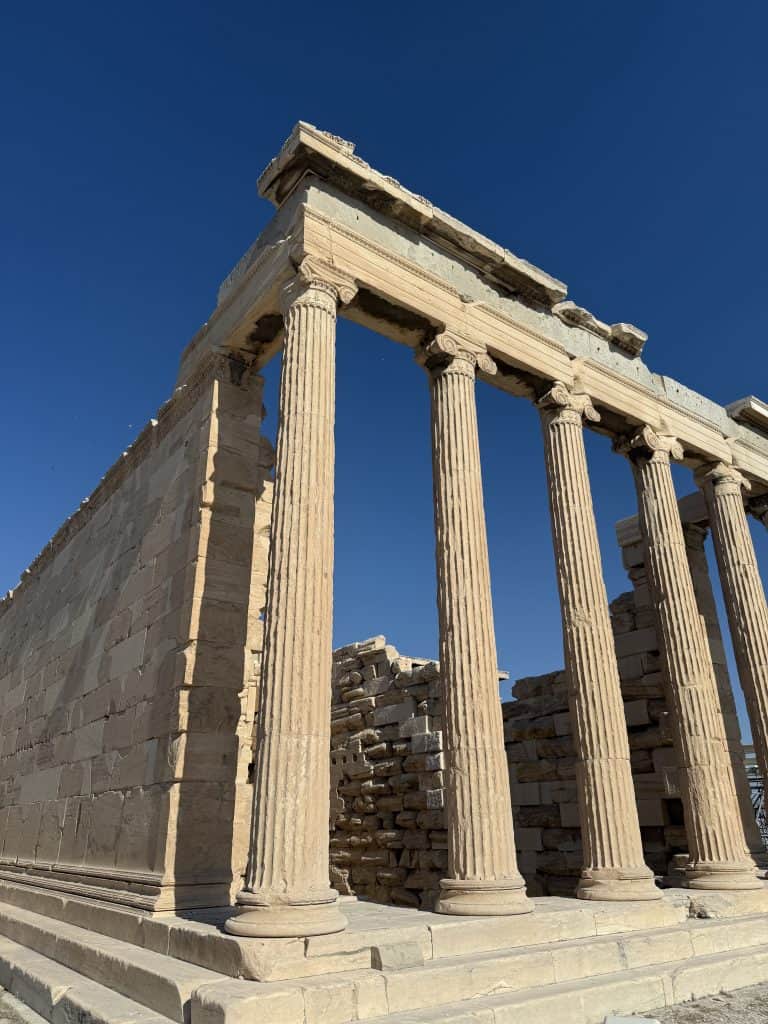
Iconic places like the Acropolis, Delphi, and Meteora feel far more spacious. You can linger, take photos without rushing, and actually hear your thoughts, an underrated luxury in popular destinations.
Authentic local experiences
With fewer tourists around, daily life takes center stage. Cafés fill with locals, conversations feel unhurried, and you get a more honest glimpse into Greek culture beyond the postcard moments.
Easier access to museums & historic sites
Lines are shorter, opening hours are more relaxed, and some sites feel almost private, perfect for travelers who enjoy depth, learning, and quiet reflection.
Cons
Limited ferries & fewer islands running
Island hopping requires more planning in the off-season. Ferry schedules are reduced, and some smaller islands slow down significantly or close for the winter.
Shorter daylight hours
Days are shorter from late autumn through winter, so plan activities earlier and embrace slower, cozier evenings.
Seasonal business closures
Some hotels, beach clubs, and tour operators close temporarily, especially on tourist-heavy islands. The upside? What remains open is usually welcoming, personal, and refreshingly unrushed.
What’s Open (And What’s Not) in Greece Off Season
One of the most important things to know when traveling Greece off season is what will be welcoming you and what might be quieter than usual. While some areas slow down, there’s still plenty to see, do, and savor, if you plan thoughtfully.
Islands That Stay Busy Year-Round
- Islands like Crete and Rhodes remain active throughout the off-season.
- Hotels, restaurants, and cultural sites stay open, giving you the best of island life without the summer crush.
- Even in winter, wander charming villages, enjoy fresh seafood, and take in breathtaking landscapes at your own pace.
Mainland Stays Open All Season
- Major cities like Athens and Thessaloniki are reliable year-round.
- Museums, historic sites, cafes, and markets remain welcoming.
- Fewer crowds allow more personal experiences and a deeper connection with local life.
Seasonal Closures & Ferry Schedules
- Some smaller islands and tourist-heavy spots slow down, with limited ferries and temporary hotel or attraction closures.
- This quieter pace allows for peaceful walks, calm beaches, and intimate cultural encounters.
- Planning ahead is essential; check ferry schedules and confirm accommodations in advance.
How to Check Current Opening Hours
- Visit official tourism websites for up-to-date schedules.
- Check hotels, restaurants, and attractions on social media.
- Calling ahead ensures you won’t encounter unexpected closures.
How to Get There
Getting to Greece in the off-season is easier and often far more affordable than traveling during peak months. With fewer crowds at airports and ferry terminals, the journey itself feels calmer, smoother, and more intentional, setting the tone for a slower, more meaningful Greek experience from the very beginning.
International Flights
Major airports in Athens, Thessaloniki, and Heraklion (Crete) remain well connected to Europe and beyond year-round.
Off-season flights are generally cheaper, and you can often snag deals that would be impossible during the busy summer months. Flying mid-week typically means lower fares and quieter airports.
Major Greek Airports
- Athens International Airport (ATH): Greece’s main hub for international arrivals and the most convenient base for both mainland and island travel.
- Thessaloniki Airport (SKG): Ideal for exploring northern Greece and nearby regions.
- Heraklion (Crete) & Rhodes (RHO): Great options if you plan to begin your trip directly on the islands.
Ferry Connections & Booking During Greece Off Season
Traveling to Greece by ferry in the off-season is still easy and enjoyable, offering a scenic alternative to flying, though it requires a bit more planning due to reduced schedules.
For travelers coming from Italy or nearby European countries, ferries connect ports like Patras and Igoumenitsa with mainland Greece, making entry especially appealing during quieter months.
Booking & Travel Tips:
- Online Booking: Book in advance via SeaJets or other reliable platforms. Most travelers receive an e-ticket for phone or print use. Online check-in is available 48–2 hours before departure.
- Printed Tickets: If preferred, collect at port offices (Piraeus, Rafina, Crete, Thessaloniki) with your reservation and ID. E-tickets usually remove this need.
- Schedules & Frequency: Off-season routes run less frequently; some operate only a few times per week. Plan ahead to ensure availability.
- Pricing: Ferry fares are generally stable year-round. Booking early secures your spot but doesn’t always lower prices.
Pro Tip: Arrive 45–60 minutes early, double-check schedules the day before, and confirm details with operators or your hotel.
Travel Logistics & Tips for Greece Off Season
From getting around to packing smartly, these tips will help you explore Greece off season intentionally and confidently.
Getting Around (Ferries, Flights, Buses)
- Ferries: Island hopping is still possible, but schedules are reduced. Check ferry timetables in advance and allow flexibility for unexpected changes.
- Flights: Domestic flights connect major cities and islands reliably, often at lower prices than in peak season.
- Buses & Trains: Mainland buses are frequent and comfortable. Trains are limited but scenic, perfect for slow, reflective travel.
Reserving vs Flexible Prices in Low Season
- Off-season often brings cheaper rates, but some accommodations and ferries require early booking.
- Balance flexibility with security. Reserve must-visit hotels or transfers while leaving space for spontaneous detours and discoveries.
Packing List by Month
- October–November: Light layers, a waterproof jacket, comfortable walking shoes, and a scarf for cooler evenings.
- December–February: Warm layers, rain gear, and a cozy sweater for mountain excursions.
- March–May: Mix of warm and light clothing, comfortable shoes, and a swimsuit for sunny afternoons.
- Extras: Travel adapter, reusable water bottle, and a small backpack for day trips.
Safety & Transportation Tips
- Greece is generally safe, but always practice standard travel precautions. Keep belongings secure and be mindful in crowded areas.
- Off-season travel means quieter streets and slower services. Plan transfers carefully, check opening hours, and always confirm bookings.
- Renting a car gives flexibility, especially for mainland exploration, but drive cautiously on mountain roads and in unpredictable weather.
Best Places to Stay During Greece Off Season
Athens, Crete, and Rhodes are among the best places to stay during Greece’s off season because they remain active year-round with reliable accommodations and transportation.
Athens & Mainland Greece
Athens stays lively year‑round, with tons of hotel choices that blend location, comfort, and value, ideal for off‑season exploration of history, culture, and city life.
Best Budget Spot: Acropolis View Hotel
A cozy, no-frills hotel with unbeatable proximity to the Acropolis and central Athens, perfect for travelers who want comfort, convenience, and budget-friendly rates without sacrificing location.
Best Mid-Range Spot: Electra Metropolis Athens
Modern elegance meets classic Greek charm at this centrally located hotel, featuring a stunning rooftop with Acropolis views and stylish spaces for relaxation after a day of exploring.
Best Luxury Spot: Athenaeum InterContinental Athens
A refined, iconic hotel offering spacious rooms, top-tier service, and a central location, making it ideal for travelers seeking comfort, sophistication, and easy access to Athens’ cultural landmarks.
Crete (Southern Island)
Crete is one of the most active island destinations even in the off‑season, with a range of accommodations from budget to luxury that offer cultural depth alongside seaside charm.
Best Budget Spot: White Swan – Rethymno Town
A highly rated budget option in the heart of Rethymno, offering clean, simple rooms and excellent value. It’s centrally located so you can walk to cafes, historic streets, and the waterfront, perfect for travelers wanting to explore the city on foot without sacrificing comfort.
Best Mid-Range Spot: Vergina Beach Hotel
A relaxed beachfront hotel with modern amenities, cozy rooms, and a laid-back vibe, ideal for off-season travelers seeking comfort, local flavor, and easy access to Crete’s coastal attractions.
Best Luxury Spot: Stella Island Luxury Resort & Spa
A serene luxury retreat featuring spacious rooms, stunning sunset views, and wellness-focused facilities, making it the ultimate escape for relaxation and indulgence in off-season Crete.
Rhodes (Southern Island)
Rhodes maintains a good number of open hotels year‑round and offers history, beaches, and culture even in quieter months.
Best Budget Spot: Meliton Hotel
A simple, well-located hotel offering clean rooms, friendly service, and complimentary breakfast, perfect for budget-conscious travelers who want easy access to beaches.
Best Mid-Range Spot: Elissa Lifestyle Beach Resort
A stylish, adults-only resort with modern amenities and serene beach views, ideal for travelers seeking relaxation, comfort, and a slower off-season pace.
Luxury Spot: Mitsis Selection Alila
A top-tier resort boasting spacious rooms, panoramic sea views, and excellent dining options, perfect for indulgent off-season stays combining luxury with tranquility.
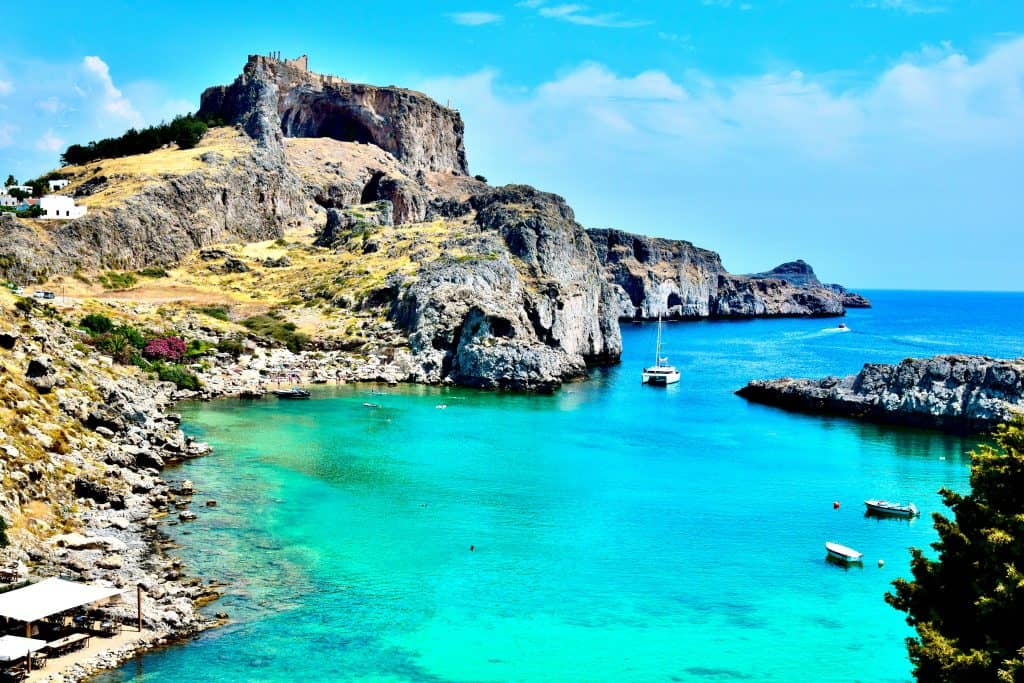
PC: Antonio Magri
Best Things to Do in Greece Off-Season
The best things to do in Greece off-season focus on culture, history, mainland exploration, and quieter island experiences without summer crowds. Here’s how to make the most of your off-season adventure.
Cultural Cities
Athens comes alive differently in winter. Archaeological sites like the Acropolis and ancient Agora feel almost private, letting you linger without the hustle. Museums are calmer, giving space to appreciate masterpieces, and cozy cafés invite long, reflective afternoons over strong Greek coffee.
Thessaloniki offers a vibrant urban rhythm even in cooler months. Stroll along the waterfront, explore colorful markets, and enjoy a thriving café culture where locals share stories and laughter.
Explore historic streets, the Acropolis, and Plaka with a guided tour for richer insights.
Mainland Experiences
Off-season travel is ideal for discovering mainland treasures. Delphi, Meteora, and the Peloponnese unfold with serene beauty, with quiet paths and more intimate sites. Take your time hiking, photographing, or simply soaking in the dramatic landscapes without the distraction of large tourist groups.
Discover the wonders of Delphi on a guided tour from Athens. Immerse yourself in local myths, explore charming villages, and marvel at the majestic Delphi Archaeological Site.
Islands Worth Visiting Off-Peak
Crete remains lively year-round, offering a mix of beaches, historic towns, and fresh, local cuisine. Smaller islands like Rhodes, Corfu, and Syros are quieter but charming, perfect for wandering cobblestone streets, meeting locals, and enjoying the peaceful Mediterranean atmosphere.
Seasonal Activities
Off-season Greece also offers unique seasonal adventures:
- Ski resorts in the mountains provide a surprising winter escape.
- Hiking trails across islands and mainland reveal wildflowers, stunning views, and untouched paths.
- Winter festivals and traditions let you experience authentic local culture, from Easter celebrations to small village fairs, creating memories that feel deeply connected to the place.
Sample Itineraries for Greece Off-Season
Whether you have just a few days or a couple of weeks, these sample itineraries will help you experience Greece intentionally, without rushing, and make the most of the season’s calm beauty.
3-Day Off-Season Greece
Perfect for a short escape, focusing on one or two key destinations:
- Day 1: Explore Athens—wander historic streets, visit the Acropolis, and savor local flavors at a quiet taverna.
- Day 2: Take a day trip to Delphi or Meteora to enjoy serene landscapes and fewer tourists.
- Day 3: Wrap up with a coastal stroll or visit a nearby island that remains open, like Hydra or Aegina, soaking in the slower pace of off-season life.
7-Day Athens + Mainland Route
A week allows you to dive deeper:
- Days 1–3: Explore Athens—museums, markets, and charming neighborhoods.
- Days 4–7: Venture to the mainland for Peloponnese towns, Delphi, or Meteora. Enjoy hiking, photography, or lingering in quiet cafés while absorbing the local rhythm.
10-Day Mainland + Island Focus
With ten days, combine mainland exploration with island adventures:
- Days 1–2: Athens—history, culture, and local experiences.
- Days 3–6: Meteora and Peloponnese—stunning landscapes and tranquil exploration.
- Days 7–10: Crete, Rhodes, or Corfu—slow travel, local cuisine, quiet streets, and hidden beaches.
Frequently Asked Questions About Greece Off Season
Here are answers to some of the most common questions about traveling to Greece off season.
What Is the Cheapest Time to Go to Greece?
The Greece off season, typically November through March, offers the lowest prices on flights, accommodations, and tours. Traveling during these months allows you to enjoy the country more affordably and without the summer crowds.
What Is the Best Month to Visit Greece?
For a balance of pleasant weather and fewer tourists, aim for October, April, or May. These months are part of the off-season yet still warm enough for sightseeing, outdoor activities, and island visits.
What Month Does Greece Shut Down?
Greece doesn’t fully shut down, but some smaller islands and seasonal businesses close from late November through February. Mainland cities like Athens and Thessaloniki remain open year-round.
What Is the Cheapest Month to Go to Santorini?
Traveling to Santorini in the Greece off season, especially November, January, or February, offers the best deals on hotels and flights. While some restaurants and hotels may close, the island’s beauty and tranquility are unmatched.
How Expensive Is 2 Weeks in Greece?
Costs vary by season and travel style. Off-season travel can make a 2-week trip much more affordable, with daily budgets ranging from $50–$100/day for budget travel and $150–$300/day for mid-range comfort, including lodging, meals, and local transportation.
What Is the Most Expensive Month to Go to Greece?
The peak summer months, July and August, are the most expensive, with high prices on flights, hotels, and activities. Crowds are largest on popular islands like Mykonos and Santorini, which can feel overwhelming.
Final Thoughts on Traveling Greece Off Season
Traveling Greece off season is about discovering the country on your own terms, without the crowds, the rush, or the peak-season prices. If you have been dreaming of Greece but want more than the typical summer experience, this is your invitation to pack your bags, slow your pace, and let Greece reveal its quieter, more magical side.
If you’re planning additional stops, explore more European travel itineraries and tips inspired by my journeys across the continent.
Loved this guide? Save it to your Pinterest board so it’s ready when you start planning your Greece off-season trip.