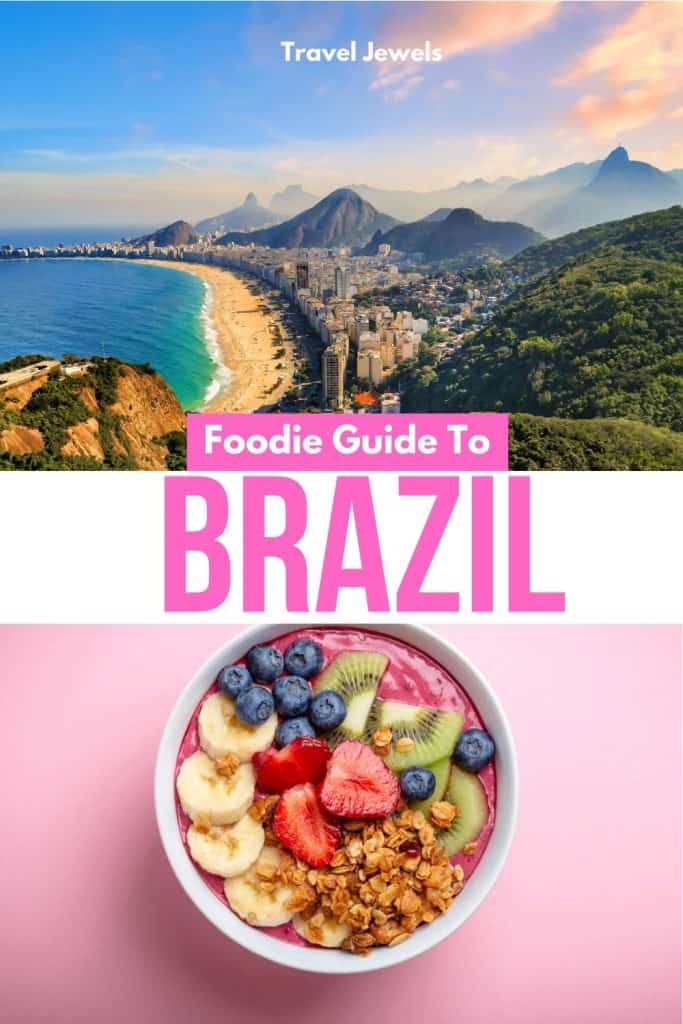
Food in Brazil: Must-Try Dishes, Drinks & Regional Specialties
Food in Brazil reflects the country itself: vibrant, diverse, and deeply rooted in culture. Every meal tells a story shaped by Indigenous traditions, African influences, Portuguese heritage, and the rhythms of everyday Brazilian life.
For me, experiencing Brazilian food felt like an invitation to slow down, to savor, and to truly be present. Meals weren’t rushed, flavors weren’t shy, and food was an experience meant to be enjoyed.
What makes food in Brazil especially memorable is how it changes from region to region, from coastal seafood stews to southern barbecue and bustling market snacks. This guide covers 16 must-try dishes, regional specialties, and where to eat for first-time and returning travelers who want to eat well, travel intentionally, and connect more deeply with the places they visit, no matter the pace or budget.
Must-Try Food in Brazil: National Dishes You Can’t Miss
Brazilian cuisine is defined by hearty national dishes such as feijoada, churrasco, and pão de queijo, as well as beloved street foods that are part of everyday life. These foods appear again and again in homes, markets, and local restaurants, shaping how Brazilians eat, gather, and celebrate.
As you travel through the country, these are the dishes you are most likely to encounter and the ones that offer the clearest introduction to Brazilian cuisine.
Feijoada, Brazil’s National Dish
Feijoada is a rich, hearty black bean stew traditionally made with pork and sometimes other cuts like beef tongue or pig’s ears, feet, and tails. It is served with rice, sautéed collard greens, orange slices, and farofa, creating a meal that is both satisfying and grounding. More than just food, feijoada is a social experience.
Many restaurants serve it on specific days of the week, often Saturday, accompanied by music and an unhurried atmosphere. Sitting down to feijoada is an invitation to slow down, connect with friends or family, and savor the flavors of Brazil, making it one of the country’s most memorable dishes.
Rodizio Churrasco, Brazil’s Legendary Barbecue
Rodizio-style barbecue in Brazil is a celebration of abundance and flavor. At a churrascaria, servers bring skewers of expertly grilled meats directly to your table, cutting portions onto your plate until you signal you’ve had enough.
You pay a fixed price and can sample a variety of cuts, from beef, pork, and chicken to occasionally more exotic meats. Between rounds of meat, servers bring palate cleansers.
My favorite was grilled pineapple with cinnamon. I love pineapple and cinnamon, and this was my first time tasting the two together. The side dishes are usually self-serve, set up buffet-style, so you can balance your plate however you like. This meal is filling, indulgent, and best enjoyed slowly.
I was amazed that this full Rodizio experience, which felt like a feast for both the senses and the soul, cost just $16.69 at the time, an experience that would easily be three times as much in the U.S.

Pão de Queijo (Cheese Bread)
Pão de Queijo are small, chewy cheese breads that are a beloved staple in Brazil. Made from cassava flour and cheese, they are naturally gluten-free and often enjoyed for breakfast, as a snack, or alongside coffee.
Crispy on the outside and soft on the inside, these little breads are perfect for sampling the everyday flavors Brazilians love. You’ll find them in bakeries, cafes, and markets across the country, making them an easy and delicious introduction to local cuisine, whether you’re starting your day or taking a mid-afternoon break during your travels.
Moqueca (Seafood Stew)
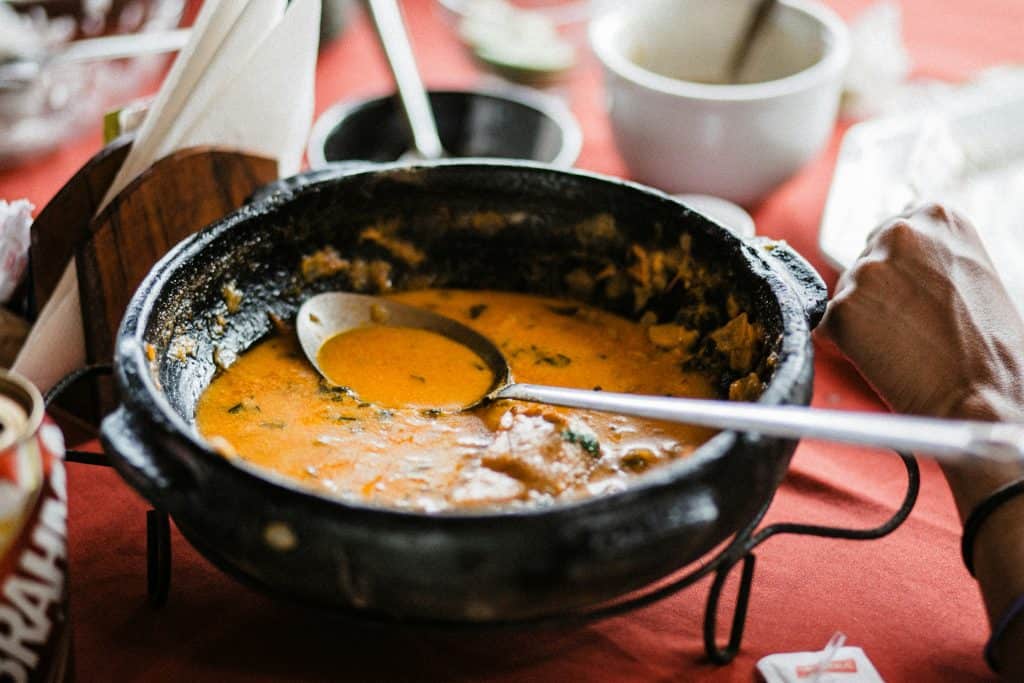
Moqueca is a fragrant Brazilian seafood stew made with fish or shrimp, tomatoes, onions, garlic, and coriander, served piping hot in a clay pot. This dish has roots in both Bahia in the Northeast and Espírito Santo in the Southeast, giving rise to two delicious variations.
Moqueca baiana is richer and heavier, made with dendê (palm oil), peppers, and coconut milk, while moqueca capixaba features urucum (annatto seeds) for a natural red color and a lighter, more delicate flavor.
Typically served with rice and farofa to soak up the sauce, moqueca is a nourishing, balanced dish and a flavorful way to experience the regional diversity of Brazilian food. If you’re traveling through southern Brazil, the region around Iguazu Falls is also worth adding to your itinerary. It is one of the most spectacular natural wonders in the world.
Acarajé (Street Food Fritter)
Acarajé is one of the most iconic foods in traditional Brazilian cuisine, especially popular in Salvador da Bahia. This bold, flavorful street food is made from black-eyed pea dough, deep-fried in palm oil, and typically split open and filled with shrimp, vatapá, peppers, and spicy sauces.
Beyond being a beloved snack, acarajé also holds cultural and religious significance, often used as an offering in the Candomblé religion. Best enjoyed fresh from a local vendor, acarajé captures the spirit of Brazilian street culture with its distinctive flavors, crunchy exterior, and rich, savory filling. Planning a trip to Salvador? Read my full guide to things to do in Salvador, Bahia, to make the most of your time there.
For an immersive experience, consider joining a guided food tour in Salvador to taste acarajé and other regional specialties straight from trusted street vendors.
Farofa (Toasted Cassava Flour Side)
Farofa is a staple side dish in Brazilian cuisine, served alongside everything from stews to grilled meats. It is made from toasted cassava flour and often mixed with ingredients like butter, onions, eggs, or bacon. While simple, it adds a delightful texture and subtle nutty flavor that elevates any meal.
One interesting fact many travelers might not know is that farofa has deep cultural roots. It was originally used by Indigenous Brazilians to preserve cassava and make foods last longer. Today, it remains a symbol of tradition and is often sprinkled generously over dishes to add both flavor and a touch of heritage to your plate.
Vatapá (Bahia Stew)
Vatapá is a creamy, comforting Brazilian stew made with bread, shrimp, coconut milk, peanuts, and spices. It is especially common in Bahia and is often served with rice or alongside acarajé. This dish feels rich and filling, perfect for slower travel days when you want something deeply satisfying.
Its combination of nuts, coconut milk, and spices reflects this heritage, making it not just a flavorful meal but also a living connection to Brazil’s diverse cultural history.
Pastel (Brazilian Fried Pastry)
Pastel is a thin, crispy pastry commonly filled with cheese, meat, heart of palm, shrimp, or other savory ingredients. It is a popular street food found at markets and food stalls across Brazil, making it perfect for a quick snack while exploring.
This pastry has roots in Japanese-Brazilian cuisine, adapted from the Japanese “harumaki” spring roll by immigrant communities, and has become a symbol of Brazil’s cultural blending.
Pastel is typically enjoyed fresh and hot, often with a squeeze of lime, and offers a delicious way to experience the flavors and creativity of Brazilian street food without committing to a full meal.
Coxinha (Chicken Snack)
Coxinha is a beloved Brazilian snack shaped like a teardrop and filled with shredded chicken. Crispy on the outside and soft on the inside, it is both satisfying and easy to enjoy on the go.
Its name means “little thigh” in Portuguese, inspired by the shape of the chicken drumstick it mimics, reflecting the playful creativity in Brazilian cuisine. Often found in bakeries, street stalls, and snack bars, coxinha is a staple of casual eating and offers a quick, flavorful taste of Brazil’s snack culture.
Bolinho de Bacalhau (Cod Bites)
Bolinho de Bacalhau are golden codfish fritters, crispy on the outside and tender on the inside. Often served as an appetizer or bar snack, they pair perfectly with a cold drink and relaxed conversation.
These bites highlight the enduring Portuguese influence on Brazilian cuisine, as codfish was introduced during colonial times and became a staple in coastal regions.
Today, bolinho de bacalhau is enjoyed throughout Brazil, reflecting how traditional flavors have been adapted into everyday social and culinary experiences.
Tapioca Crepes
Tapioca crepes are made from cassava starch, cooked into a soft, flexible wrap, and can be filled with sweet or savory ingredients, making them versatile and light.
Commonly enjoyed for breakfast, lunch, or as a snack, tapioca crepes have been a staple in Brazilian cuisine for centuries, originally used by Indigenous communities as a portable, nourishing food.
Today, they remain a symbol of Brazil’s culinary heritage, offering travelers a simple, energizing option that showcases the country’s creative use of local ingredients.
Quindim and Brigadeiros (Brazilian Sweets)
Brazilian desserts are rich, sweet, and meant to be savored, offering a delightful way to end a meal. Quindim is a glossy coconut custard with a vibrant yellow center, showcasing the tropical flavors of Brazil.
Brigadeiros, Brazil’s national chocolate truffles, are made from condensed milk, cocoa powder, and butter, traditionally rolled in chocolate sprinkles. Over time, brigadeiros have evolved into a wide variety of flavors, from lime and passion fruit to pistachio, white chocolate, and even Nutella, and can be found in specialty shops across the country.
These treats are a staple at celebrations and birthday parties, reflecting their cultural significance as both a beloved dessert and a symbol of festive Brazilian life.
Açaí Bowl
Açaí bowls, pronounced ah-sigh-EE, are made from the açaí berry, a nutrient-rich superfruit from the Amazon known for its health benefits and naturally delicious taste. Traditionally eaten by Indigenous tribes for energy, açaí has become a popular treat across Brazil and can be found in cafes, markets, and juice bars throughout the country.
Served as a thick, frozen blend resembling ice cream, açaí bowls are typically topped with fruits, granola, and other toppings, making them both refreshing and energizing.
Strawberries were my go-to topping for açaí bowls, adding a fresh, sweet contrast that made the dish even more vibrant and satisfying. This is a perfect option for breakfast, a snack, or a midday pick-me-up while exploring Brazil.

Best Brazilian Drinks
Drinks are an essential part of food in Brazil, from refreshing fruit juices to the iconic caipirinha cocktail and cachaça. Each offers a taste of Brazil’s tropical abundance and festive culture.
Whether you’re exploring bustling cities, coastal towns, or local markets, these drinks are a delicious way to stay refreshed while connecting with Brazilian life.
Caipirinha (National Cocktail)
The caipirinha is Brazil’s national cocktail, made with cachaça, fresh lime, sugar, and ice. Bright, citrusy, and refreshingly bold, it is the kind of drink that feels perfectly suited to Brazil’s warm, sun-soaked atmosphere.
While you can find caipirinhas almost everywhere in the country, I discovered that the best and cheapest ones were on the streets of Rio’s Lapa neighborhood. Street vendors and small local bars crush the limes by hand and use fresh ingredients, which makes all the difference.
My personal favorite was the passion fruit caipirinha, a slightly tart, tropical twist that quickly became my go-to order and one of my most memorable food and drink experiences in Brazil.

Cachaça (Spirit and Variations)
Created in the 1500s, cachaça is a Brazilian spirit made from fermented sugarcane juice and forms the foundation of the caipirinha. It comes in a wide range of styles, from clear, unaged varieties to golden versions aged in wooden barrels, each offering distinct flavors and aromas. While some are sipped neat as a shot, others are best enjoyed slowly to appreciate their complexity.
One of the local friends we met took us to Casa da Cachaça, also known as Bar Cachaça, in the heart of Rio’s Lapa neighborhood. The bar is small and simple, but it is popular with locals because it carries more than 100 different brands of cachaça.
Visiting made it clear just how much craftsmanship and regional pride goes into this spirit, and how deeply it is woven into everyday Brazilian culture.

Fresh Fruit Juices
Brazil’s tropical climate produces a wide variety of fruits, and fresh juices are easy to find everywhere, from street vendors to local cafes. Pineapple, mango, passion fruit, guava, acerola, and coconut are among the most common options, often blended or pressed to order and lightly sweetened or finished with a squeeze of lime.
We visited Brazil in December, and with the heat and all the walking we did each day, fresh juice became an easy way to stay hydrated and keep our energy up between meals. Juice stands near markets were especially reliable for finding the freshest options.
My favorite was coconut lime juice. It was light, refreshing, and exactly what I needed during warm afternoons of exploring.

Regional Food Specialties in Brazil
The best way to experience Brazilian cuisine is by region, where each area offers unique flavors and signature dishes. In the Northeast, try acarajé and moqueca baiana. The Southeast is known for rodizio-style churrasco and pão de queijo, while the Amazon region features specialties like tucupi, jambu, and tambaqui.
Understanding Brazilian cuisine by region reveals how geography, history, and culture shape what people eat across the country.
Northeast Brazil
The Northeast is famous for bold, tropical flavors influenced by African, Indigenous, and Portuguese traditions. Key dishes include:
- Acarajé
- Moqueca baiana
Southeast Brazil (Rio de Janeiro and São Paulo)
The Southeast offers a mix of traditional Brazilian flavors and international influences. Notable foods include:
- Rodizio-style churrasco
- Pão de queijo
Explore farmers’ markets, neighborhood restaurants, and street stalls for fresh, locally made flavors. A guided food tour in Rio is the perfect way to experience Brazil through taste.
Amazonian Foods
The Amazon region features ingredients from the rainforest, creating dishes unlike anywhere else in Brazil:
- Tucupi: Yellow sauce made from manioc root.
- Jambu: A local herb with a tingling, numbing effect.
- Tambaqui: Freshwater fish often grilled or stewed.
Pro Tip: Look for eco-lodges and riverside restaurants to taste authentic Amazonian specialties.
Street Food Favorites
Street food is a vital part of Brazil food culture, with favorites like pastel, tapioca crepes, and açaí bowls. These quick bites are perfect for tasting local flavors while exploring markets, streets, or beaches.
- Pastel Marketplaces: Look for bustling markets and street stalls, where pastel is freshly fried and served hot. These spots are ideal for a quick snack while exploring the city.
- Tapioca Stands: Found at street corners and markets, tapioca stands cook crepes on the spot.
- Açaí Beach Bowls: Available at juice bars and beachside kiosks, açaí bowls are refreshing and energizing.
Where to Eat Food in Brazil: A Regional Guide
Brazil is one of the most culinarily diverse countries in the world, and what lands on your plate in Salvador looks and tastes completely different from what you’ll find in Rio or São Paulo. Eating by region is one of the best ways to experience Brazil’s culture; each area has its own signature flavors, ingredients, and food traditions shaped by geography, history, and heritage.
I personally ate my way through Rio de Janeiro and Salvador, and both left a lasting impression on how I think about food as a form of cultural storytelling.
Northeast Brazil — Salvador, Bahia
Salvador is the spiritual and culinary heartbeat of Afro-Brazilian food culture. The flavors here are bold, deeply spiced, and rooted in West African traditions — dendê palm oil, coconut milk, black-eyed peas, and fresh seafood appear in almost everything. Walking through Pelourinho, the UNESCO-listed historic center, you’ll encounter the smell of acarajé frying in palm oil before you even see the vendor. It is one of those sensory memories that I still remember to this day.
The best acarajé in Salvador is found at street vendors rather than sit-down restaurants. Acarajé da Dinha at Largo de Santana in the Rio Vermelho neighborhood is one of the most iconic spots in the city, a street stand known for its fresh, generous portions of acarajé filled with shrimp, vatapá, caruru, and hot pepper sauce. For a sit-down Bahian meal, Restaurante Casa de Tereza in Rio Vermelho is set in a beautifully restored colonial building and celebrated for its moqueca and bobo de camarão. Guests have been known to return two nights in a row just to work through the menu.
What to order in Salvador: acarajé, moqueca baiana, vatapá, bobo de camarão, caruru
Southeast Brazil — Rio de Janeiro
Rio’s food culture is social, relaxed, and built around the rhythm of the city — neighborhood botecos (local bars), beachside vendors, and the beloved kilo restaurant, a pay-by-weight buffet where you pile your plate and pay based on its weight. It is one of the most affordable and enjoyable ways to eat well in Rio, and you’ll find locals filling their plates at lunchtime every day of the week.
During my time in Rio, I discovered that the best caipirinhas aren’t in fancy bars — they’re on the streets of Lapa, where vendors hand-crush limes to order and charge next to nothing. The passion fruit version became my go-to, and it was one of the most memorable drinks of the entire trip. For feijoada, Bar do Mineiro in the Santa Teresa neighborhood has been serving some of Rio’s best since the 1980s — arrive before 1 pm on weekends or expect a wait.
For bolinhos de bacalhau with one of the best views in the city, Bar Urca in the Urca neighborhood sits right on the water with Sugarloaf Mountain as your backdrop. Order at the counter downstairs and grab a spot on the seawall across the street.
The full rodízio churrasco experience is also worth doing in Rio at least once. Servers arrive at the table with skewers of grilled picanha, chicken, and pork, cutting portions directly onto your plate until you signal you’ve had enough. I paid just $16.69 for the entire experience, a meal that would easily cost three times as much back home.
What to order in Rio: feijoada, churrasco rodízio, bolinhos de bacalhau, açaí bowl, passion fruit caipirinha
São Paulo — Brazil’s Food Capital
I haven’t visited São Paulo personally, but no regional guide to food in Brazil would be complete without it. São Paulo is where Brazil’s culinary diversity reaches its peak. It has one of the largest Japanese populations outside of Japan, a thriving Italian-Brazilian food culture, and neighborhood markets where you can eat through a dozen different cuisines in a single afternoon.
The Mercadão (Mercado Municipal) in the city center is the place to start. It’s a massive covered market famous for its mortadella sandwiches, fresh pastéis, tropical fruit juices, and regional Brazilian specialties. For Japanese-Brazilian cuisine, Liberdade is the hub, with sushi bars that blend Brazilian ingredients like cream cheese, mango, and tropical fruits alongside traditional Japanese techniques.
São Paulo is also widely considered the churrascaria capital of Brazil. If you want the full theatrical rodízio experience done at its most refined, this is the city for it.
What to order in São Paulo: mortadella sandwich at Mercadão, Japanese-Brazilian sushi, churrasco rodízio, brigadeiros from a specialty shop
For a deeper taste of the city, a combined São Paulo walking and food tour takes you through the bustling city center, stopping at local markets, cafes, and eateries to sample classic dishes like pão de queijo and rodizio churrasco.
The Amazon Region
Amazon cuisine is unlike anything else in Brazil, and for many travelers, it is the most surprising food discovery of the entire trip. Ingredients like tucupi (a fermented cassava broth with a slightly sour, earthy flavor), jambu (a leaf that creates a mild numbing sensation on the tongue), and tambaqui (a large, flavorful freshwater fish) appear almost nowhere else in the country.
The city of Belém, at the mouth of the Amazon River, is considered the gateway to Amazon cuisine and is increasingly recognized as one of Brazil’s most exciting food destinations. If you are passing through, try tacacá, a hot soup made with tucupi, dried shrimp, and jambu leaves that creates a genuinely unique eating experience. Açaí is also eaten very differently here than abroad. In the Amazon, it is a thick, unsweetened, savory dish eaten alongside fish and rice, a far cry from the sweetened smoothie-bowl version most of the world knows.
What to order in the Amazon region: tacacá, tambaqui, savory açaí, pato no tucupi (duck in tucupi broth), cupuaçu juice
Tips for Trying Brazilian Food
The best way to enjoy food in Brazil is to know when, where, and how to eat it. Timing, etiquette, and choice of venue can make your food experience unforgettable.
Best Time of Day
Meals in Brazil are often leisurely and social. Lunch is typically the main meal, usually between 12:00–2:00 PM, while dinner is lighter and starts later, around 7:30–9:00 PM. Street snacks and markets are perfect for mid-morning or afternoon bites.
Etiquette and Ordering Tips
Brazilians appreciate a friendly and relaxed approach. Don’t rush meals, and feel free to ask about local specialties or recommendations. In rodizio-style churrascarias, signal the servers with the provided card when you want more or need a break. Always be ready to try new flavors. Many dishes use unfamiliar ingredients or spices.
Local Markets vs Sit-Down Restaurants
For the freshest, most authentic flavors, local markets and street stalls are unbeatable. You can sample multiple dishes quickly, often at lower prices.
Sit-down restaurants, on the other hand, are ideal for heavier meals or traditional feasts and often provide a more curated, cultural dining experience. Balancing both gives you a full picture of Brazil’s culinary landscape.
Food in Brazil: Frequently Asked Questions
Brazilian cuisine is shaped by Indigenous, African, and Portuguese influences, resulting in bold, diverse flavors that vary significantly by region. Here are answers to the most common questions about food in Brazil.
What is the most famous food in Brazil?
Feijoada is widely considered Brazil’s national dish. It’s a slow-cooked black bean stew with pork, served with rice, collard greens, farofa, and orange slices. It holds deep cultural significance and is traditionally served as a communal Saturday meal shared with family and friends across the entire country.
What is a typical Brazilian breakfast?
A traditional Brazilian breakfast is lighter than you might expect. It usually includes pão de queijo (cheese bread), fresh fruit, tapioca crepes with butter or cheese, bread with requeijão (a creamy Brazilian cream cheese), and strong black coffee or fresh fruit juice. Bakeries and cafes serve breakfast from early morning, and it is a beloved daily ritual.
What do Brazilians eat for lunch?
Lunch is the main meal of the day in Brazil. A typical plate includes rice, beans, a protein like grilled chicken or beef, a salad, and farofa. The kilo restaurant, a pay-by-weight buffet, is one of the most popular ways Brazilians eat lunch on weekdays. You fill your plate with whatever you like and pay based on its weight.
Is food in Brazil spicy?
Brazilian food is generally not very spicy. The exception is the Northeast, particularly Bahia, where dishes like moqueca and acarajé use malagueta peppers and dendê oil for more heat. In most restaurants, hot pepper sauce (molho de pimenta) is served on the side so you can adjust the spice to your own taste.
Is Brazil good for vegetarians?
Brazil can be challenging for strict vegetarians since meat is central to the cuisine, but there are good options. Pão de queijo, tapioca crepes, açaí bowls, and most side dishes are naturally meat-free. Kilo buffet restaurants are ideal since you can select plant-based options from a wide spread. São Paulo has a particularly strong vegetarian and vegan restaurant scene.
What is the best Brazilian street food?
Some of the best street food in Brazil includes pastel (deep-fried pastry with savory fillings), coxinha (teardrop-shaped fried chicken snack), acarajé (Bahian black-eyed pea fritter), tapioca crepes, and fresh coconut water straight from the vendor. Markets and weekend feiras (street markets) are the best places to sample several in one go.
How much does food cost in Brazil?
Brazil is generally affordable for food. A street snack like pastel or coxinha costs around R$5–15 (roughly $1–3 USD). A kilo restaurant meal averages R$30–50 per person ($6–10 USD). A full churrasco rodízio experience typically runs R$60–100 ($12–20 USD). Fine dining restaurants in Rio and São Paulo can be significantly more expensive.
What is the difference between moqueca baiana and moqueca capixaba?
Both are Brazilian seafood stews, but from different regions with distinct flavors. Moqueca baiana, from Bahia, is richer and heavier, made with dendê (palm oil), coconut milk, and peppers for a bold, deep flavor. Moqueca capixaba, from Espírito Santo, is lighter and more delicate, using annatto seeds for color without coconut milk.
What are the best Brazilian desserts?
The most beloved Brazilian desserts include brigadeiros (condensed milk chocolate truffles), quindim (a glossy coconut custard), pudim (Brazilian flan), and cocada (coconut candy). Brigadeiros are the most iconic, found everywhere from street stalls to specialty shops, and have evolved well beyond classic chocolate into passion fruit, pistachio, and Nutella varieties.
What should I drink in Brazil besides caipirinha?
Fresh tropical fruit juices made from açaí, passion fruit, guava, and acerola are available at every market and juice bar. Coconut water is abundant and refreshing. Guaraná Antarctica is a popular local soda with a sweet, fruity flavor. And coffee culture runs deep; a small, strong cafézinho taken black with a little sugar is how locals drink it.
Final Thoughts on Food in Brazil
Eating in Brazil is a reminder that food is one of the most powerful ways we connect with the world around us. From the bustling markets of Salvador to the beachside açaí stalls in Rio, the food in Brazil told a story, and every meal left a lasting impression on my mind, body, and spirit.
For travelers seeking authentic experiences, sampling Brazil’s regional specialties, street foods, and traditional drinks offers both adventure and nourishment, turning every bite into a moment of discovery.
If your Brazilian food journey takes you through Rio de Janeiro, my Rio de Janeiro Vacation Guide is a helpful starting point for exploring the city beyond the table.

Liked it? Pin it